Increase in Atmospheric Aerosol Loading
The concentration of fine particles in the atmosphere that influence climate and human health.
Current State
Aerosol loading refers to the concentration of small particles suspended in the atmosphere, originating from both natural processes like dust storms and volcanic eruptions, and human activities such as burning fossil fuels, industrial processes, and agriculture. These particles influence the Earth’s climate by interacting with sunlight and clouds. Some reflect sunlight and cool the planet (such as sulfates), while others absorb heat and contribute to warming (such as black carbon). Aerosols also affect cloud formation and precipitation patterns, making their climate effects complex and regionally varied.
In recent decades, efforts to improve air quality have led to declining aerosol emissions in many higher-income regions, while levels remain high or are increasing in parts of Asia and Africa due to rapid industrial growth and biomass burning. Overall, global anthropogenic aerosol loading is decreasing, which helps reduce air pollution and health risks but may accelerate global warming by removing the cooling effect that some aerosols provide. Managing aerosol emissions presents a trade-off: While reducing them benefits human health and ecosystems, it also reveals more of the warming caused by greenhouse gases.
Impacts
Aerosols influence Earth’s climate, weather, and air quality in complex ways. They affect how sunlight is absorbed and reflected, shape global circulation patterns, and have serious consequences for human health. While some aerosols cool the planet by reflecting sunlight, others trap heat and disturb rainfall patterns. These changes are especially strong in regions with heavy industrial activity or widespread biomass burning, where local air pollution also creates major health risks.
Disruption of global wind and rainfall patterns
Because most aerosols are emitted in the Northern Hemisphere, they create an imbalance in how the planet absorbs solar energy. This can shift large-scale wind systems and move the Intertropical Convergence Zone — the belt of rising air near the equator that drives global monsoon rains. This alters the timing and strength of monsoon rains across South Asia, West Africa, and East Asia.
Both warming and cooling the climate
Scattering aerosols, like sulfate particles from sulfur dioxide, reflect sunlight and cool the atmosphere. Absorbing aerosols, such as black carbon, trap significant amounts of heat and warm the air. These competing effects complicate global climate responses and can cause strong regional differences in temperature and precipitation.
Regional air pollution and health impacts
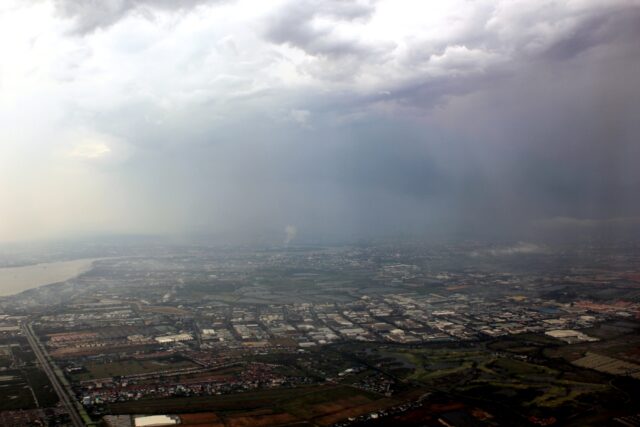
In heavily polluted regions, especially across South and East Asia, high aerosol concentrations reduce air quality and visibility, leading to widespread respiratory and cardiovascular diseases and increased mortality. Weakened monsoons and drought add to these health burdens.

Xiye Bastida, Indigenous climate activist, Co-founder and Executive Director of Re-Earth Initiative, Planetary Guardian.
“We’ve come together across nations, sectors, generations, genders, and cultures to leverage our diversity and experience to find solutions. We recognize that we alone will not solve the problem. We must listen to the wisdom of Indigenous people and the planet to learn how to live in partnership. We want to help ignite a movement where everyone, everywhere becomes a planetary guardian.”
Xiye Bastida, Indigenous climate activist, Co-founder and Executive Director of Re-Earth Initiative, Planetary Guardian.
Key Drivers
Fossil fuel combustion and industrial emissions
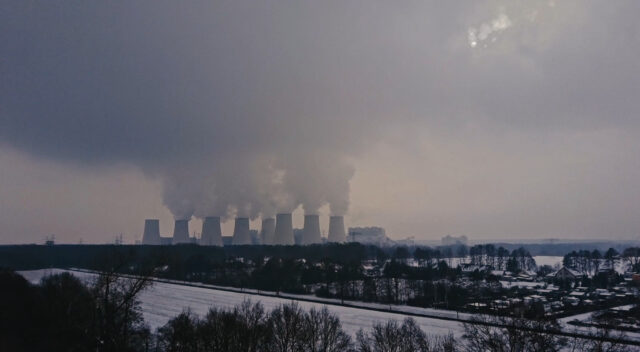
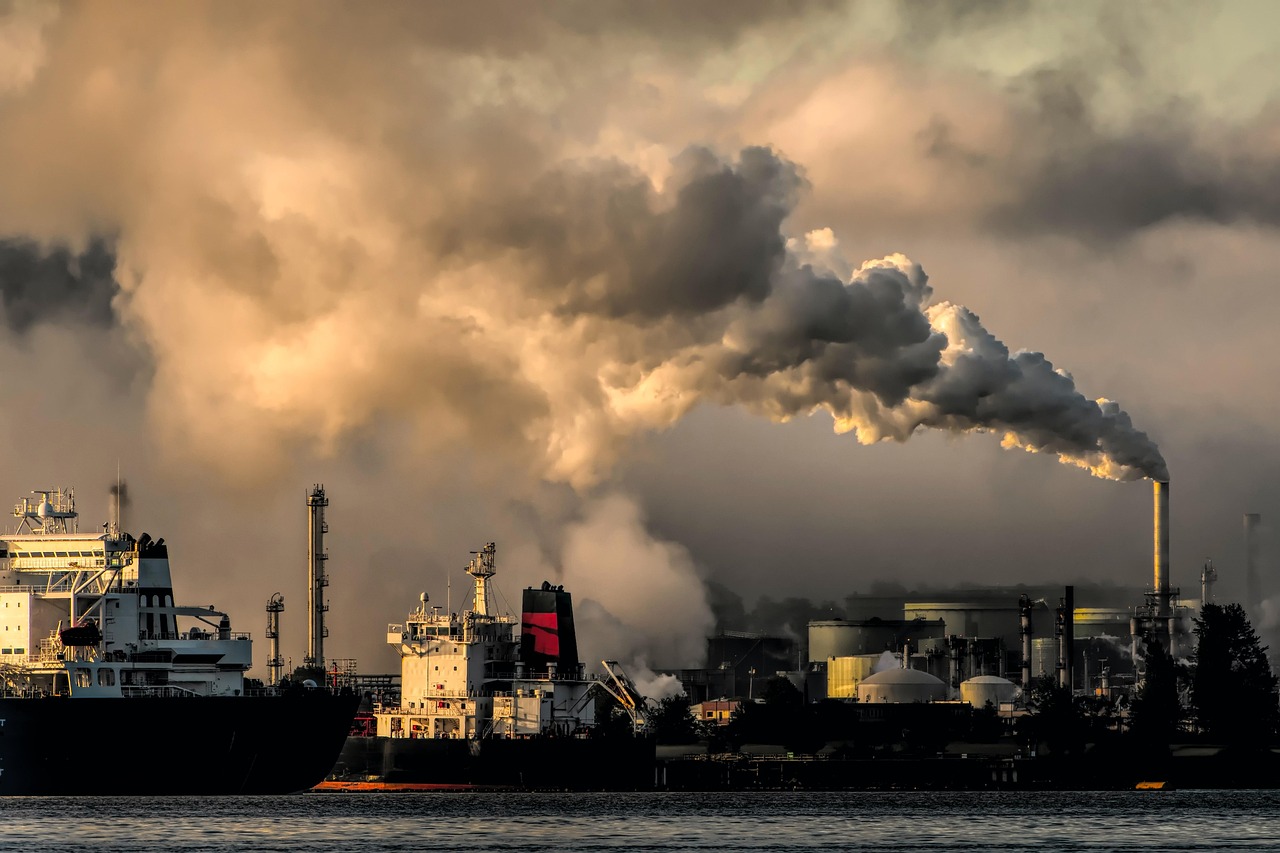
Burning coal, oil, and gas releases sulfur dioxide and black carbon — key precursors of aerosols. Power generation, manufacturing, and transportation are the main sources, contributing to both cooling and warming aerosol types.
Biomass and agricultural burning
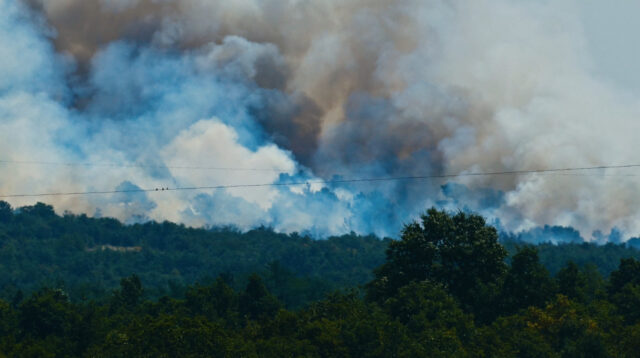
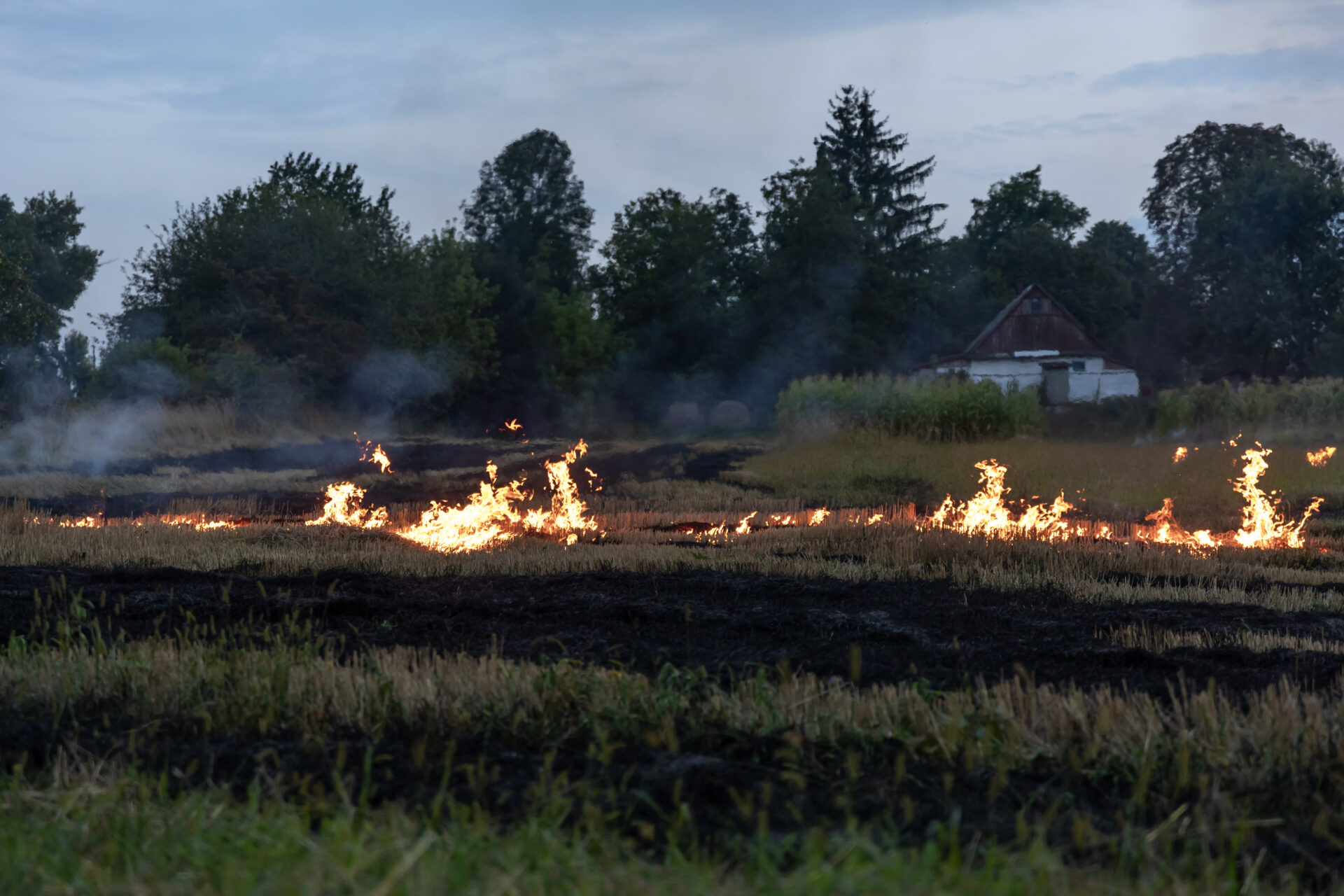
Open burning of crop residues and traditional biomass fuels releases large amounts of black carbon and organic aerosols. Although these sources emit less sulfur dioxide, they significantly affect regional air quality and contribute to heating of the atmosphere.
Control Variables
The Planetary Boundary for Atmospheric Aerosol Loading uses the interhemispheric difference in Aerosol Optical Depth (AOD) as its control variable. This measures how much sunlight is scattered or absorbed by particles in the atmosphere and how unevenly these effects are distributed between the Northern and Southern Hemispheres. Current global averages remain within the safe operating space, but this balance masks severe regional impacts. In some areas, aerosol concentrations already exceed safe levels, affecting health, weather patterns, and ecosystems.
Interhemispheric Difference in Aerosol Optical Depth (AOD)
Bridging the divide: Declining interhemispheric difference in Aerosol Loading. This chart shows the 5-year running mean of the difference in the aerosol optical depth (AOD) between the Northern and Southern Hemispheres, calculated by averaging data from 60° north to 60° south for the period from 2003-2024. The red line shows the Planetary Boundary of 0.1, while the green line represents the baseline of 0.04. Data from CAMS EAC4.
The difference in aerosol optical depth between the Northern and Southern Hemispheres has been decreasing from 2010 to 2024, indicating that we are moving further into the Safe Operating Space.
Definition
AOD measures how many aerosols (small particles suspended in the air) block the transmission of light in the atmosphere, without distinguishing whether the particles absorb or reflect light. The interhemispheric difference refers to how much higher AOD tends to be in the Northern Hemisphere – where most human activity and emissions occur – compared to the Southern Hemisphere. Globally, this control variable measures the interhemispheric difference in aerosol concentrations between the Northern and Southern Hemispheres. Regionally, local AOD correlates with PM2.5 (fine particulate matter with diameters ≤2.5 micrometers, a health-hazardous air pollutant) concentration, which is particularly important in the context of justice considerations regarding human health. However, this regional correlation is not yet fully integrated into the Planetary Boundaries framework.
Unit
Dimensionless.
Historical Range
AOD values range from 0 (no aerosols) to 1 or higher (very dense aerosol layer).
Planetary Boundary (PB)
The PB is defined by an interhemispheric difference in AOD of 0.1. This threshold is based on observational evidence from volcanic eruptions and modeling studies, which suggest that a rising interhemispheric difference in AOD can trigger regional-scale tipping points potentially leading to shifts in monsoonal patterns. Such changes can significantly affect weather cycles, increasing the risk of floods and droughts. In addition, a provisional regional boundary is set at 0.25, as higher AOD values in monsoon regions likely lead to significantly lower rainfall, ultimately affecting biosphere integrity. This threshold is also relevant in the context of justice considerations related to human health.