Planetary Boundaries
We have breached 7 out of 9 Planetary Boundaries. The Planetary Health Check 2025 makes it clear: We have to act now.
From ocean currents to ecosystems, food chains to cloud patterns: myriads of parts make up our blue planet. Like organs of a body, they interact and influence each other in many different ways. This is the Earth System – the complex global interplay of life and the physical environment, evolved over billions of years. Its stability has been the foundation for all our human endeavours, from the first farmers to our modern societies.
Recently, however, this stability has become dangerously threatened by human actions.
We are putting pressure on the Earth System in many different ways. Scientists have identified nine key systems and processes that keep the Earth stable, and that humans are putting under pressure. For example, we are changing the climate, destroying ecosystems, using up too much freshwater and polluting our environment.
These nine categories also influence each other: Destroying nature reduces the Earth’s ability to absorb greenhouse gases, worsening climate change – and climate change and deforestation lead to bigger disruptions of the freshwater cycle.
How much more we disturb each of these parts of the Earth system determines the future of our planet.
So far, the Earth has been able to absorb much of these pressures – however, this resilience has started to crumble. To measure how much pressure we are putting on the Earth, scientists have identified key measurements, called Control Variables, for each category.
Measuring the health of the planet as a whole is difficult. The Control Variables can’t give us a perfect picture, and scientists are constantly working on improving and refining them. Nonetheless, these measurements are important indicators of our planet’s health – not unlike a diagnostic blood test at the doctor’s office.
To give us a more complete picture, some boundaries have more than one Control Variable – and more may be added in the future.
Based on the Control Variables, we can determine what level of human influence is safe. Staying within this range, called the Safe Operating Space, would ensure that the Earth remains stable overall.
Local or regional problems, like droughts or pollution crises, may happen nonetheless – but overall, the Earth would likely continue to be a safe home, and function as it does today.
When we put more pressure on the Earth than it can safely handle, we cross the Planetary Boundaries. This means leaving the Safe Operating Space, and entering a Zone of Increasing Risk.
In this zone, long-lasting damage to the Earth system becomes more likely. This can be gradual damage, such as increasingly unpredictable seasons, or even sudden Tipping Points where large and sudden changes are triggered. For example, rainforests may turn into savannah landscapes, and polar ice caps may start to melt irreversibly.
When we put even more pressure on the Earth, we enter the High Risk Zone, sometimes dubbed the danger zone. Here, catastrophic changes to our planet become not only possible, but likely.
It’s important to note that crossing a Planetary Boundary is not the same as crossing a Tipping Point: like health symptoms of very high blood pressure or strong fever, being in the High Risk Zone doesn’t mean that a catastrophe has already happened. We may still have time to reverse the trend before it’s too late. By ending fossil fuel use, and protecting and restoring nature, we can shepherd the Earth back into the Safe Operating Space.
By now, we have crossed seven of the 9 Planetary Boundaries, and many trends remain negative. Decisive action is more urgent than ever, and it is in all of our interest. Successes with Ozone and Aerosols show that changing our impact on the planet for the better is possible. The Planetary Boundaries can be a guide towards a healthy planet for us all.
Loading data for 10 year(s)...
The Planetary Boundaries
Danger Zone
Climate Change
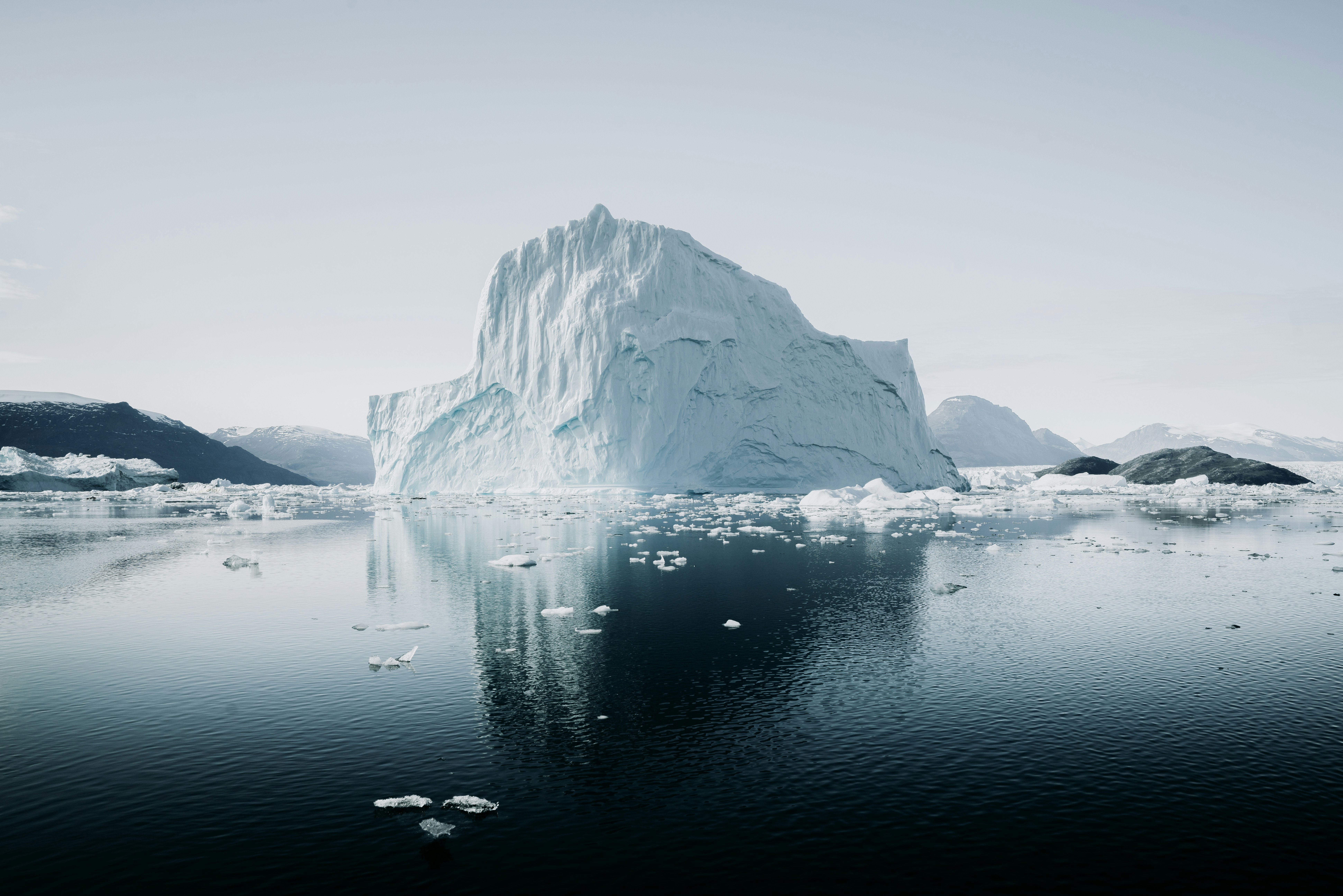
Climate change is driven by human activities that disrupt Earth's energy balance, primarily through greenhouse gas emissions.
Danger Zone
Change in Biosphere Integrity
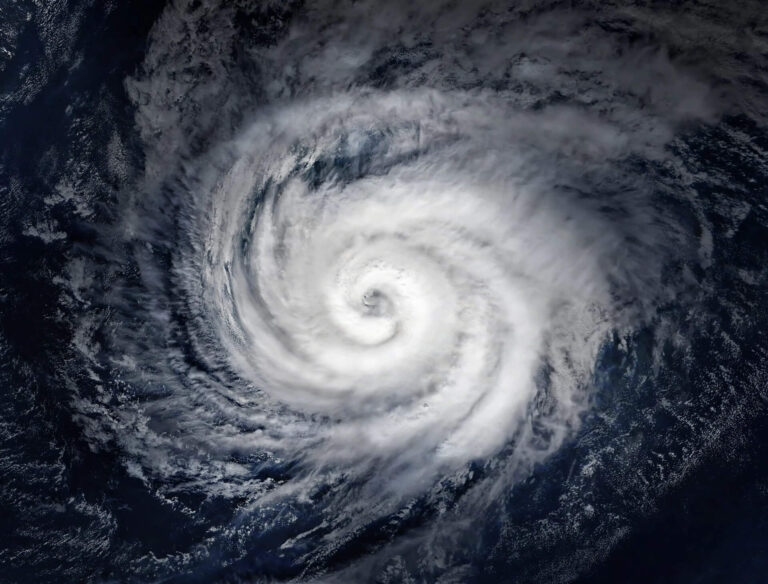
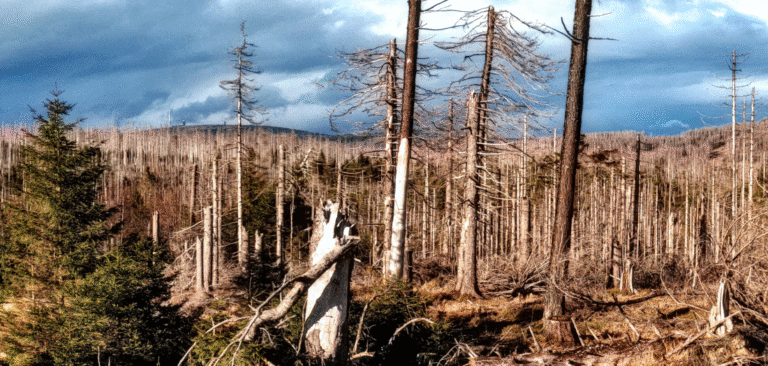
Loss of species, ecosystems, and ecological functions sustain and regulate the overall state of the Earth.
Risk Zone
Land System Change
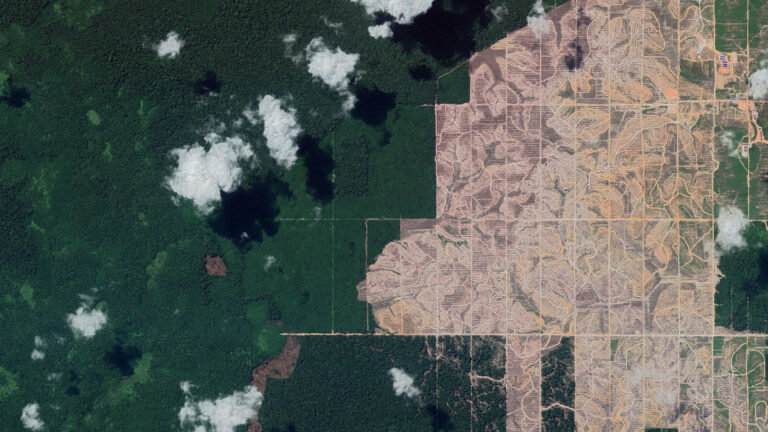
The transformation of forests, grasslands, and other natural areas through land use and other human actions.
Risk Zone
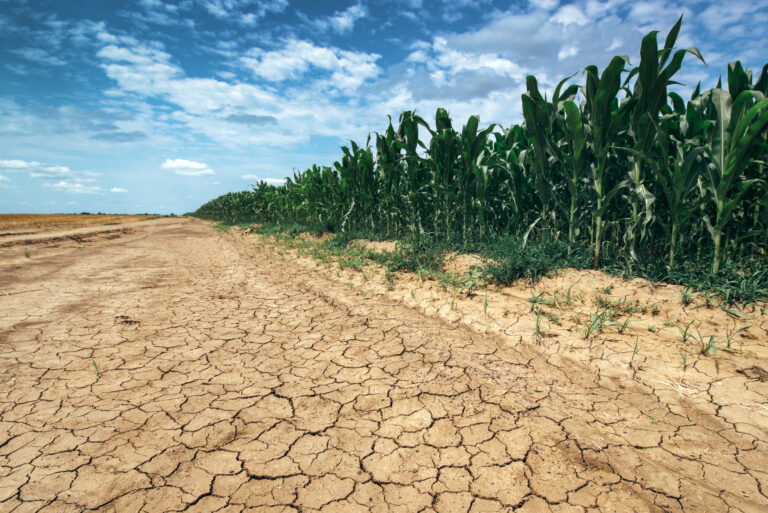
Freshwater Change
The alteration of surface and groundwater systems that support people and ecosystems.
Danger Zone
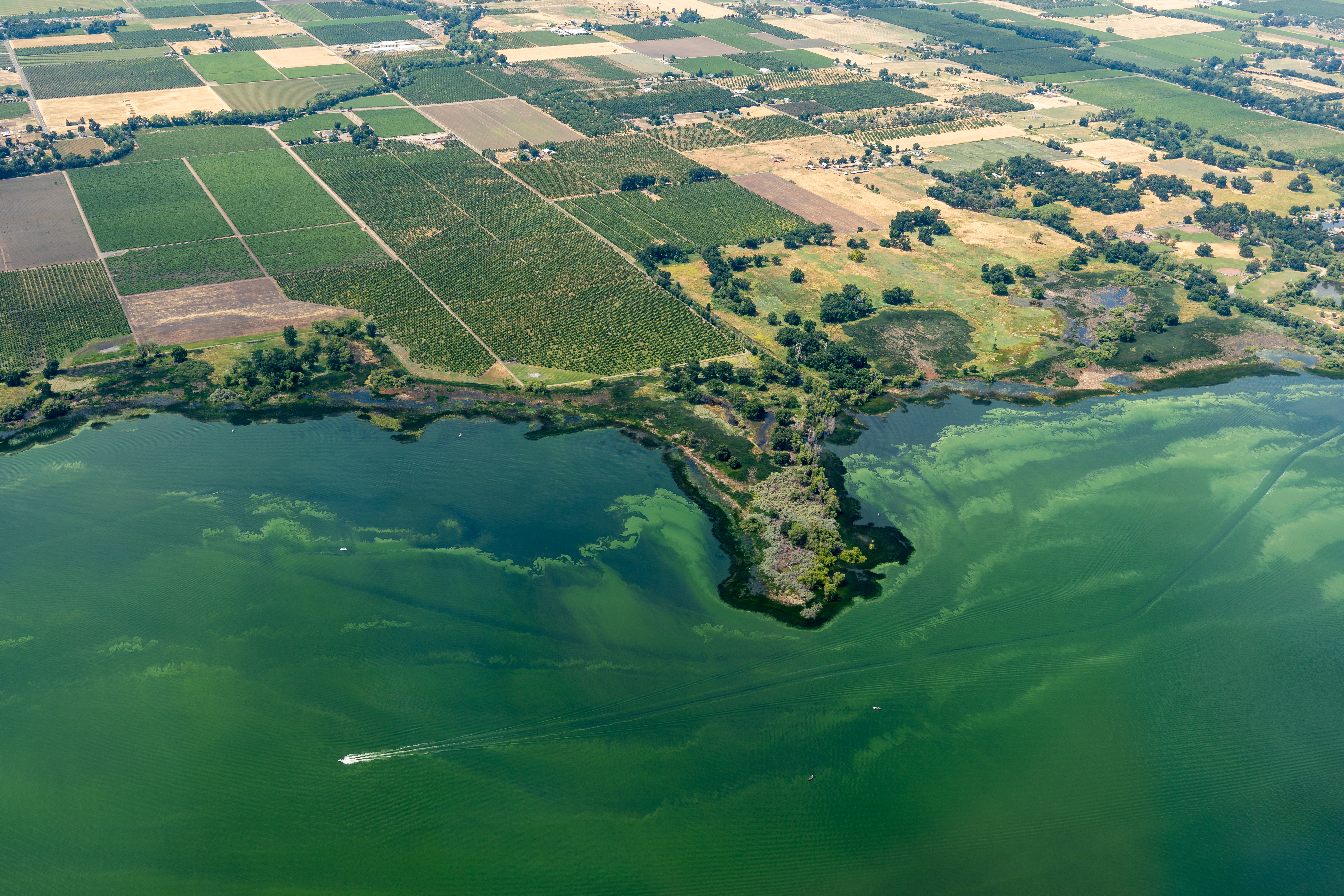
Modification of Biogeochemical Flows
The disruption of nutrient cycles that regulate soil fertility and the health of water ecosystems, through excessive fertilizer use and pollution.
Risk Zone
Ocean Acidification
Increasing carbon dioxide absorption is making the oceans more acidic, threatening marine ecosystems.

Safe zone
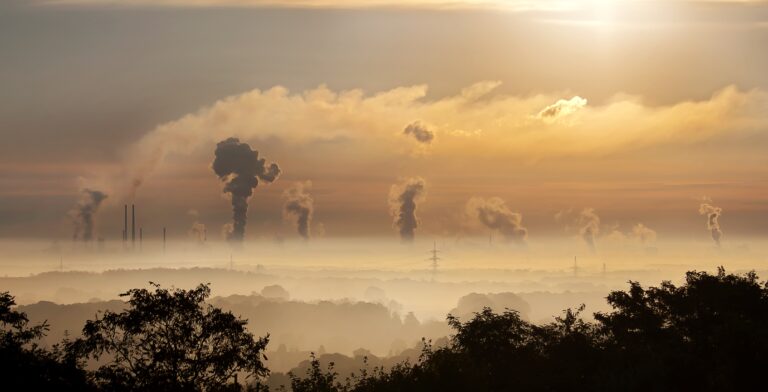
Increase in Atmospheric Aerosol Loading
The concentration of fine particles in the atmosphere that influence climate and human health.
Safe zone
Stratospheric Ozone Depletion
The thinning of the protective ozone layer that shields life from harmful ultraviolet radiation.
Danger Zone
Introduction of Novel Entities
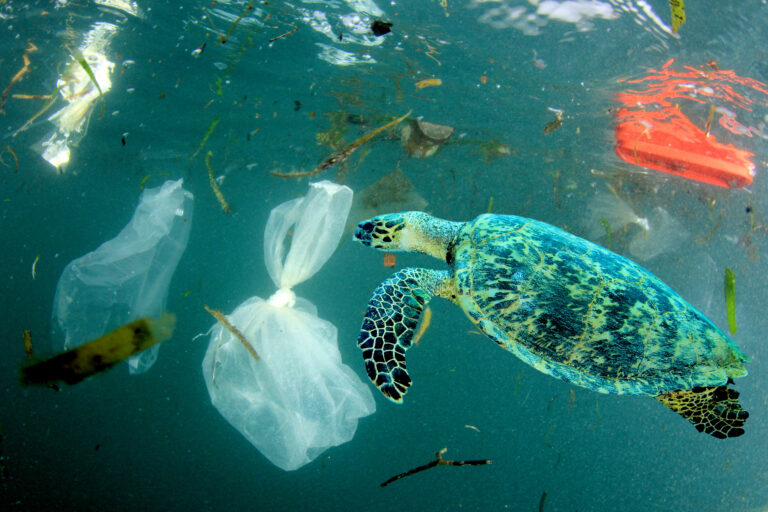
The introduction of synthetic chemicals, plastics, and other human-made materials into Earth’s systems.

Juan Manuel Santos
“The Planetary Boundaries science reaffirms that the planet is one, interconnected system and that our solutions must account for this."
Juan Manuel Santos
Safe Operating Space for Humanity
For nearly 12,000 years, Earth’s relatively warm and stable Holocene climate has provided the foundation for agriculture, civilization, and human flourishing. Today, that stability is under threat as human activity pushes the planet toward a new, uncertain state -- the Anthropocene. To secure a livable future, humanity must protect the Safe Operating Space” that has allowed our species to thrive for millennia.
Read More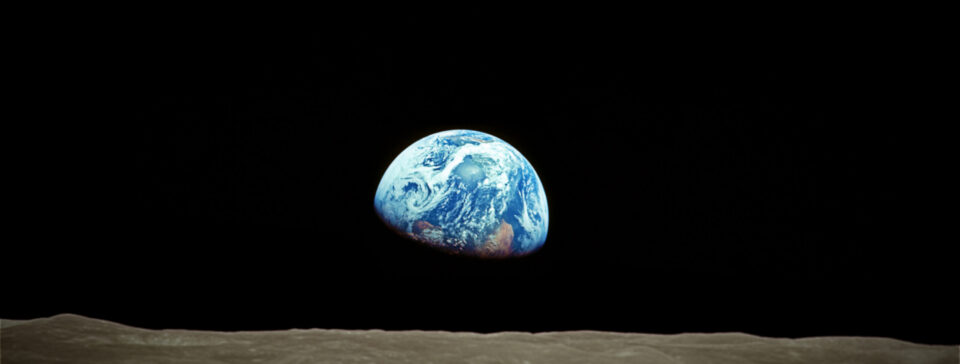
Tipping Points
Earth’s climate system is approaching critical thresholds beyond which change could become abrupt and irreversible. From collapsing ice sheets to dying rainforests, these tipping points threaten to disrupt the planet’s balance and the stability of human societies. With global warming already nearing dangerous levels, multiple tipping elements could soon be triggered. Understanding and preventing these cascading shifts is essential to keeping Earth within its safe and stable operating space.
Read More