Introduction of Novel Entities
The introduction of synthetic chemicals, plastics, and other human-made materials into Earth’s systems.
Current State
Novel entities comprise human-made chemicals, naturally occurring chemicals that are mobilized by humans, human-made particles like plastics and human-modified life forms. Produced and released in myriad forms and huge quantities, they can interact and accumulate in ways that threaten Earth‑system processes. For example, many harmful chemicals (such as banned pollutants and plastics) are still widespread globally, accumulating in animals like marine mammals and causing adverse effects on wildlife and humans.
However, our understanding of planetary scale exposure and impacts is still fragmented due to the amount and tremendous diversity of novel entities. To track this planetary risk, we use a practical proxy: the proportion of novel entities that undergo rigorous safety assessment before widespread use. That share is currently low, and on this basis the Planetary Boundary for Introduction of Novel Entities is considered transgressed – the creation of new substances far outpaces our capacity to evaluate them. Future assessments may incorporate additional metrics, such as production volume, environmental release, and mixture effects, to refine our understanding of this planetary risk.
Impacts
Novel entities are now found in every part of the planet — from mountain soils to ocean depths. Some trap heat in the atmosphere, others harm plants and animals, and many build up in food webs or water systems. Once released, they are difficult or impossible to remove, meaning their effects can last for centuries.
Pollution spreading through ecosystems
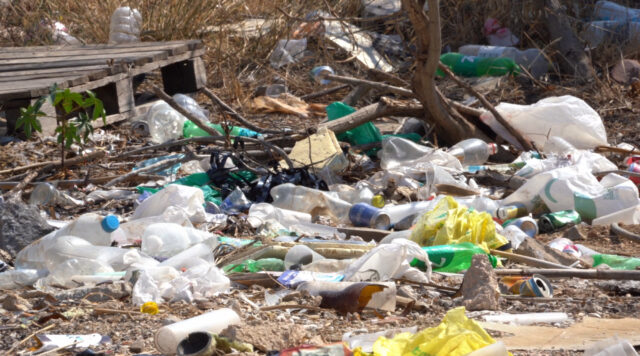
Pesticides and industrial chemicals wash into rivers and soils, harming insects, fish, and birds. Pollinators are declining, and microplastics are turning up in marine life and even in drinking water. These pollutants weaken ecosystems and reduce biodiversity.
Long-lasting contamination
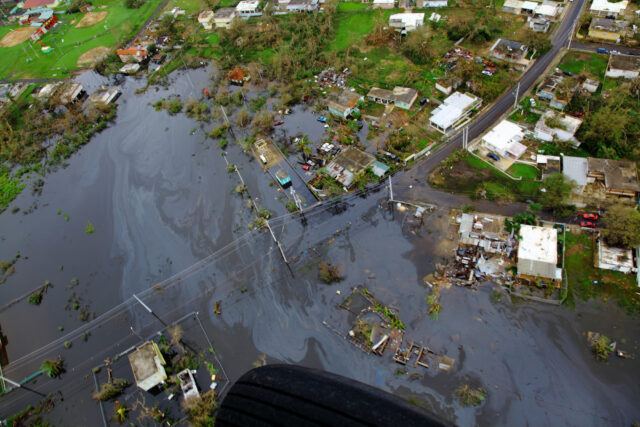
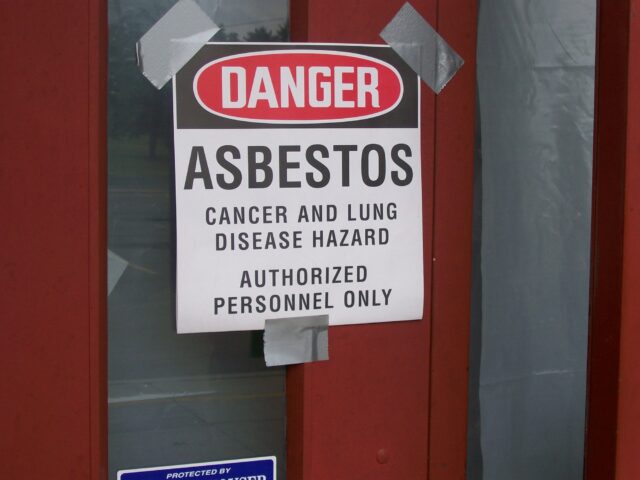
Because many of these substances don’t break down easily, they accumulate over time. Radioactive materials and heavy metals can linger in soil and water for centuries, causing lasting harm to people and nature. Substances like PFAS are another example: Used in countless products, from cookware to clothing, they are now found in water, wildlife, and even human blood across the globe — including in remote areas like the Arctic.
Links to climate and air quality
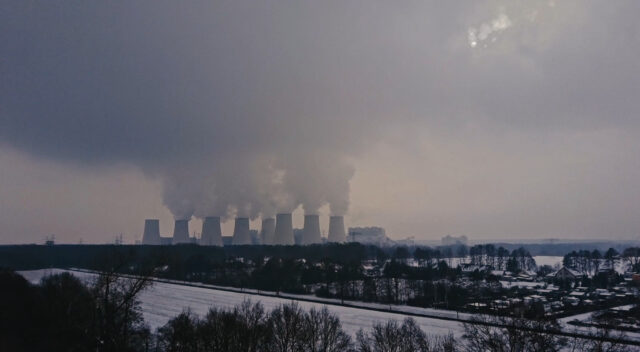
Some novel entities also contribute to other planetary pressures. Fluorinated gases trap heat and add to global warming, while particles and industrial chemicals released into the air worsen pollution and damage human health.
Unknown and unpredictable risks
One of the biggest dangers of novel entities is how little we understand their long-term effects. Thousands of chemicals are released every year, many with unknown interactions in the environment or with living organisms. Some may seem harmless at first but could accumulate or react in ways that cause unexpected harm over time. These hidden and unpredictable risks make it difficult to manage novel entities safely — and highlight how much we still don’t know about their full impact on people and the Earth system.

Sunita Narain, Environmentalist and author, Director General of the Centre for Science and Environment and Editor of Down To Earth, Planetary Guardian.
“We would not allow one of our own organs to fail, so we can’t standby with seven of the nine planetary boundaries already breached, causing potential catastrophic risk of failure to humanity’s life support system. This is even more urgent as the impacts of this failure will cause unimaginable suffering for the people who did not cause these breaches.”
Sunita Narain, Environmentalist and author, Director General of the Centre for Science and Environment and Editor of Down To Earth, Planetary Guardian.
Key Drivers
Runaway chemical production
The world now produces and uses more chemicals than ever before. Thousands of new compounds are created each year, outpacing the ability to study or regulate them safely. Many reach the market without thorough safety checks. Limited monitoring and slow regulation mean harmful substances can stay in circulation long after their dangers are known.
Mixing effects and knowledge gaps
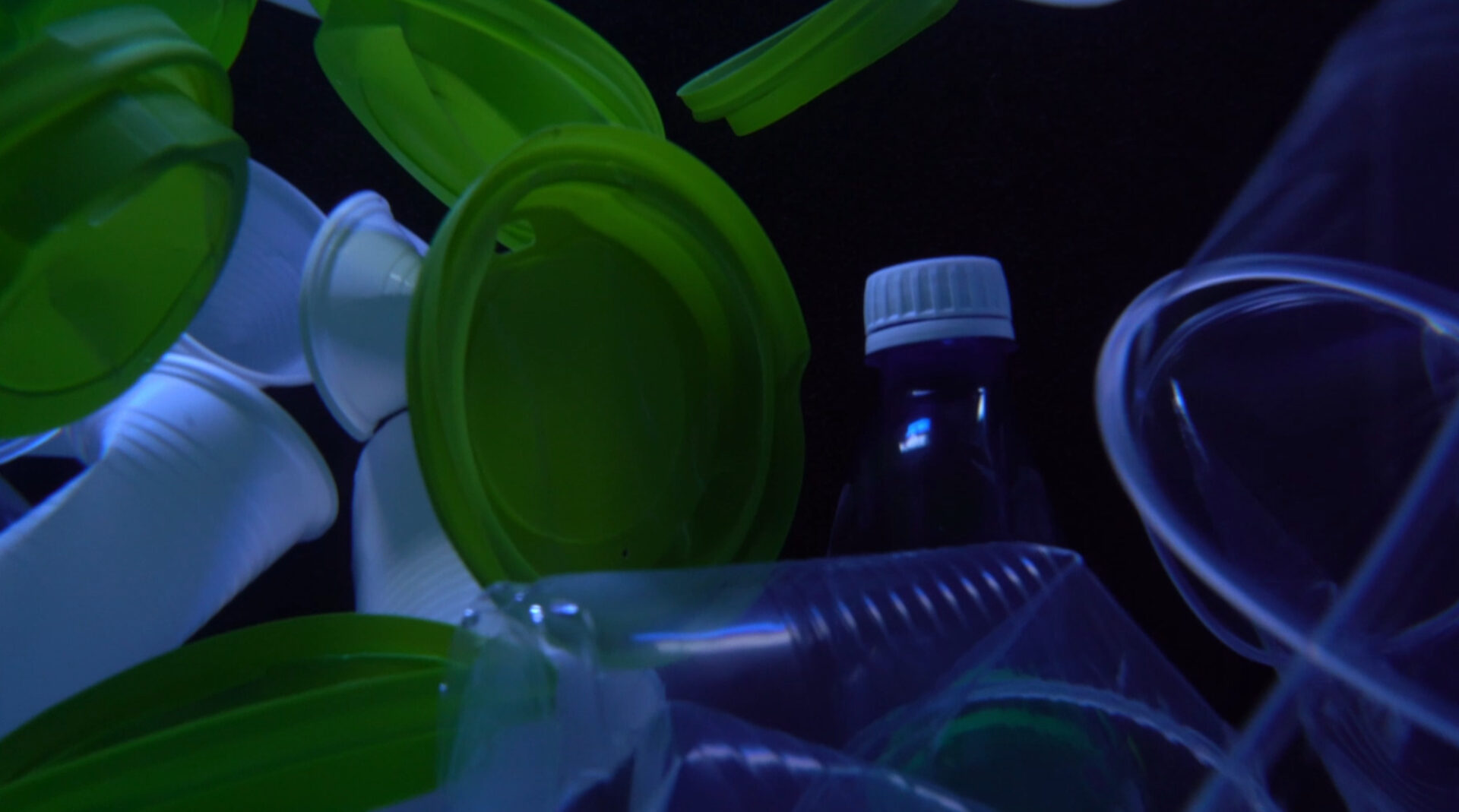
Pollution rarely comes from one substance alone. Chemicals can mix and react in complex ways that scientists are only beginning to understand, creating new risks for people and ecosystems.
Old pollution that never goes away
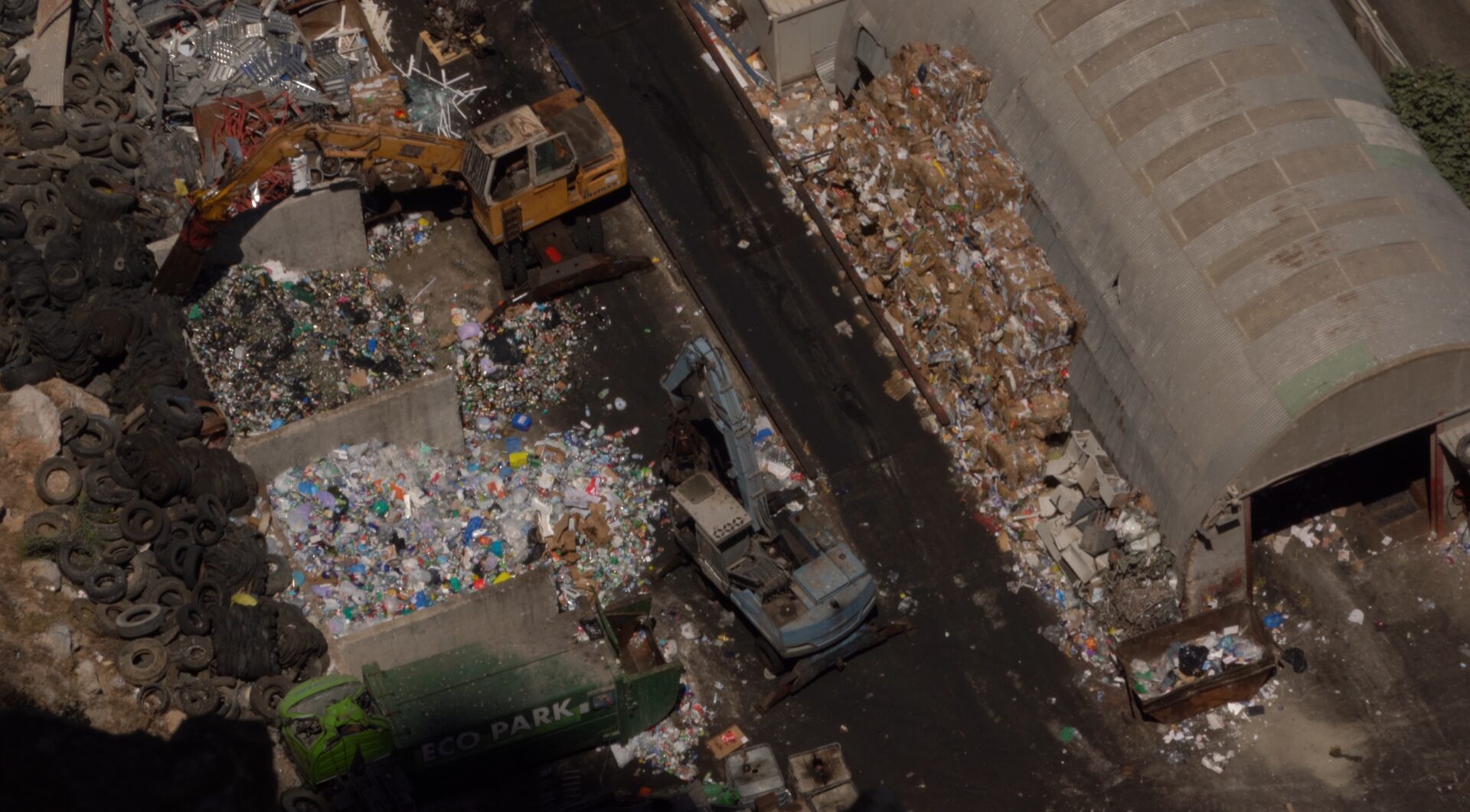
Legacy pollutants — such as microplastics, heavy metals, and radioactive waste — continue to leak into air, soil, and water. Even if production stopped today, their impacts would still be felt for generations.
Control Variables
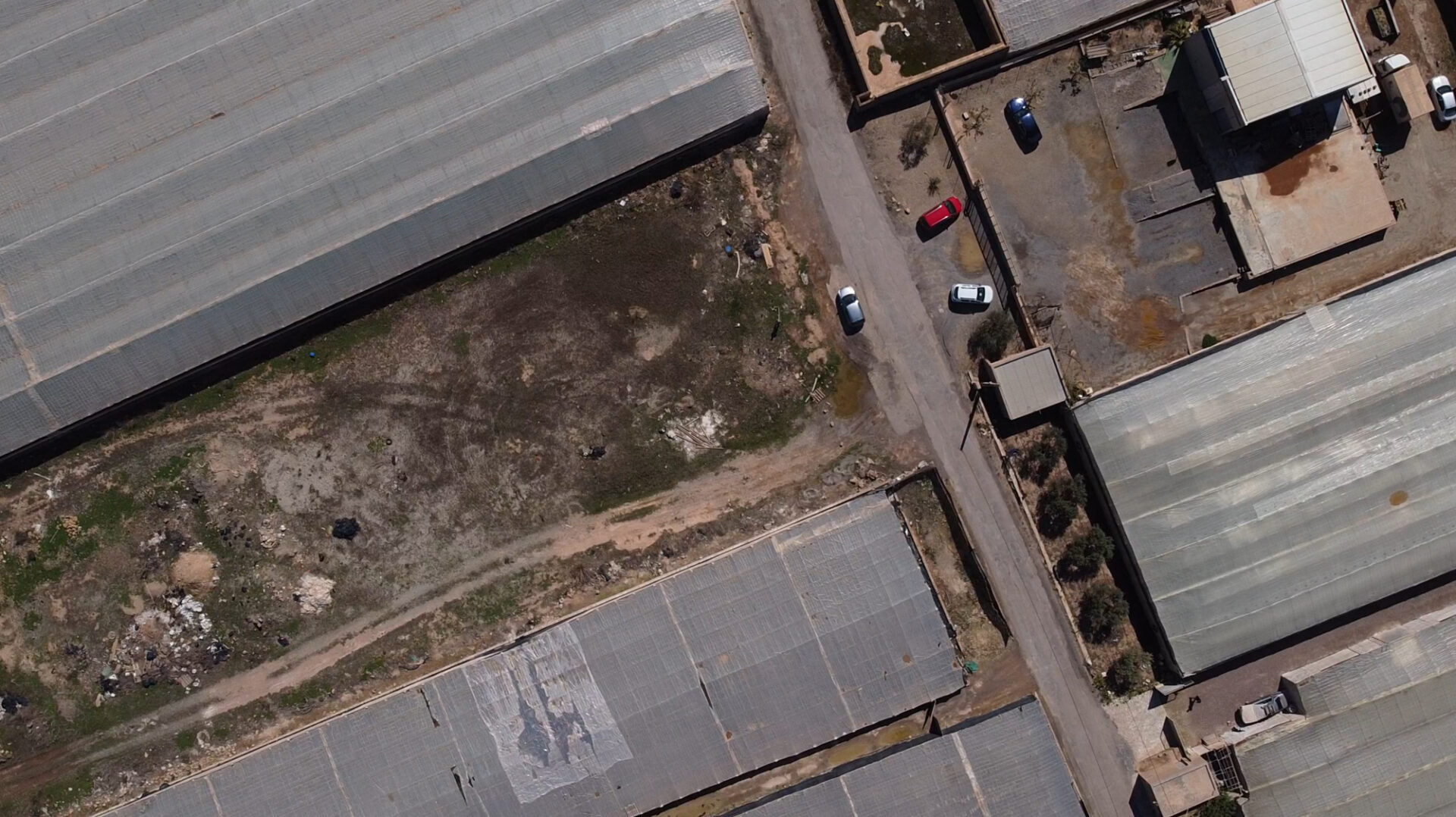
The Planetary Boundary for Novel Entities covers a wide range of human-made materials and substances — including synthetic chemicals, heavy metals, plastics, radioactive materials, and even genetically modified organisms. Together, they represent a growing and complex pressure on the Earth system, but their combined impacts are hard to measure. For now, the boundary is tracked through the percentage of untested chemicals in use worldwide. This share has grown rapidly as chemical production expands far faster than our ability to test or regulate it. As a result, the boundary has been transgressed, marking a clear warning that humanity is introducing new substances into the environment faster than we can ensure they are safe.
Percentage of synthetic chemicals released to the environment without adequate safety testing
From conception to contamination: The rise of novel entities. This figure exemplifies the trends of production (Plastics, High-Value Chemicals), application (Antibiotics, Pesticides) and release (PFAS) of different novel entities. Production of many human-made substances such as plastics, antibiotics, pesticides and harmful chemicals is steadily rising, posing significant threats to the Earth system – as well as human health.
Definition
The share of human-made chemicals released into the environment without adequate safety testing. This control variable is a critical indicator of how effective regulations are and our understanding of chemical risks, and it is essential for managing the potential impacts these substances may have on human health and the environment.
Unit
Percentage, i.e. the fraction of synthetic chemicals released without adequate safety testing.
Historical Range
This percentage can vary from 0% (all chemicals undergo sufficient testing before release) to 100% (none are tested).
Planetary Boundary (PB)
Following the precautionary principle, the PB is set at 0 % – no human-made chemicals should be released without adequate safety testing. Historical examples like Dichlorodiphenyltrichloroethane (DDT, which harmed bird populations and entered food chains), Chlorofluorocarbons (CFCs, which depleted the ozone layer) and Polychlorinated Biphenyls (PCBs, which partly exceed effect thresholds in marine mammals) underscore the need for strict testing. Legacy contamination has persisted for decades and will continue to be present in the Earth system, emphasizing the need to follow the precautionary principle to avoid the release of harmful substances. Currently, a significant portion of chemicals remains untested or is not adequately tested (i.e. how they interact in mixtures), indicating that the PB is exceeded. In addition to the scientific limitations in testing such large numbers of chemicals and their diverse modes of action, many legal bodies and regulators lack the capacity to assess these chemicals, regulate their use, and to ensure compliance with existing regulation.