Stratospheric Ozone Depletion
The thinning of the protective ozone layer that shields life from harmful ultraviolet radiation.
Current State
The ozone layer in the upper atmosphere protects the Earth from harmful solar ultraviolet radiation. Additionally, ozone plays an important role in atmospheric energy balance. Because of the release of ozone depleting substances (ODS), the ozone layer has substantially declined over the second half of the 20th century.
Since the mid-1990s, thanks to the international agreements limiting ODS release, the ozone layer has largely recovered, and it is expected to stay within the safe limits. The ozone layer depletion and its subsequent recovery had measurable effects on atmospheric circulation, particularly in the Southern Hemisphere.
Global map of recent ozone layer changes
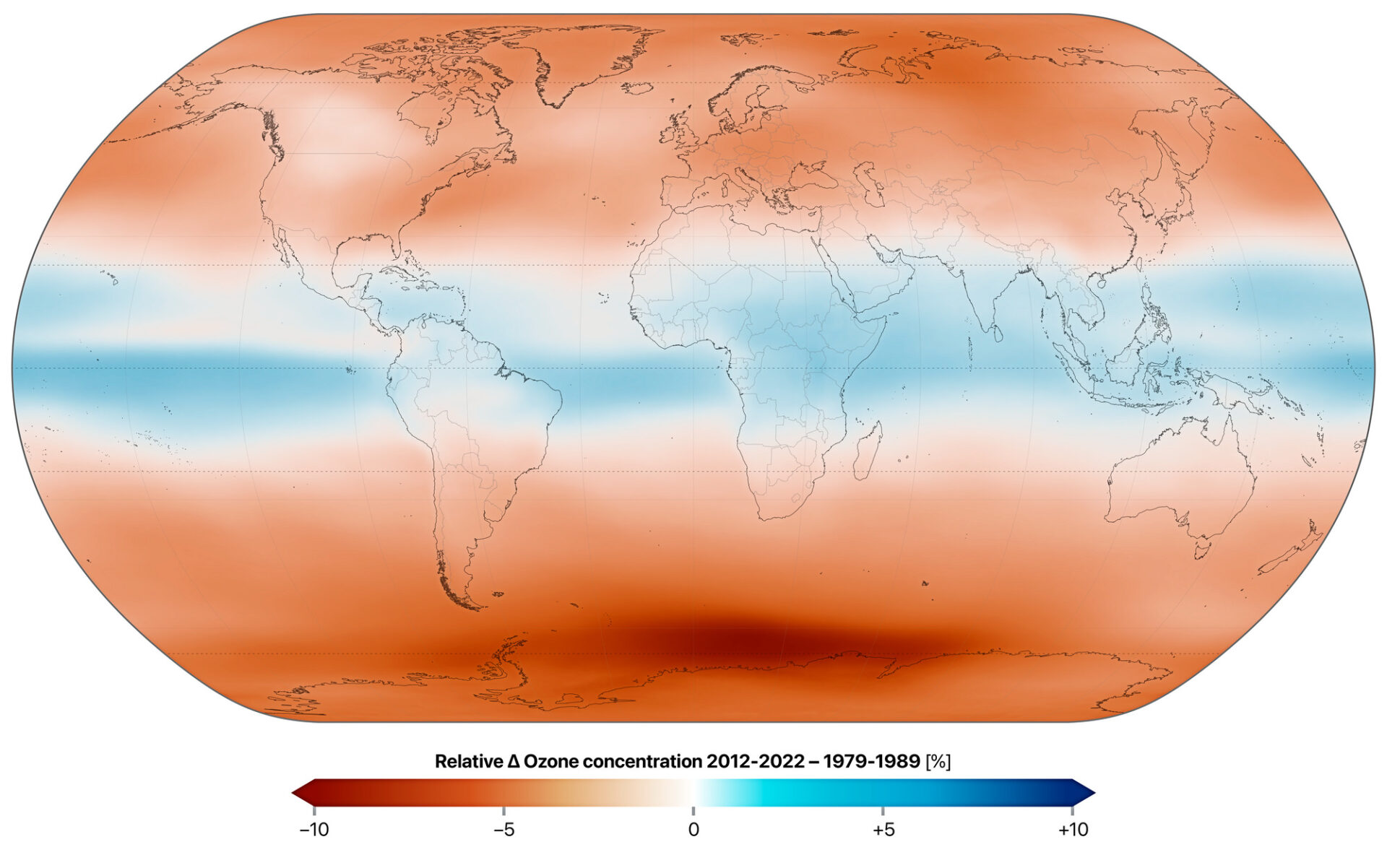
This map shows the relative change of the global mean stratospheric ozone concentration between 1979-1989 (first 11-year cycle of this data set) and 2012-2022 (last 11-year cycle of this data set, e.g. a change from 260 DU to 273 DU would be indicated by a value of +5 %). Areas where total ozone has increased are shown in shades of blue, and areas where it decreased are shown in shades of red. Data from Copernicus (2020).
Global changes in stratospheric ozone concentration between 1979-1989 and 2012-2022 show mixed trends, with increases in some regions and decreases in others, while the persistent Antarctic ozone hole highlights ongoing recovery challenges.
Impacts
A thinner ozone layer means more UV radiation reaches the ground. This affects people, ecosystems, and even weather patterns. While the most dramatic ozone hole over Antarctica is slowly closing, the ozone layer’s health remains essential for life and climate stability.
More UV radiation and health risks
When ozone levels drop, the Earth’s surface gets more intense UV radiation. This raises the risk of skin cancer, cataracts, and other health problems in people, and it can also harm animals and microscopic life.
Ecosystem damage on land and at sea
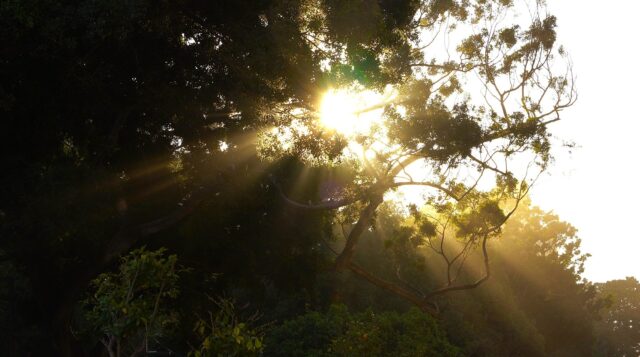
Extra UV light can reduce crop yields, weaken trees, and damage tiny marine organisms called phytoplankton that form the base of ocean food webs. These changes ripple through ecosystems, affecting biodiversity and food production
Shifts in weather and wind patterns
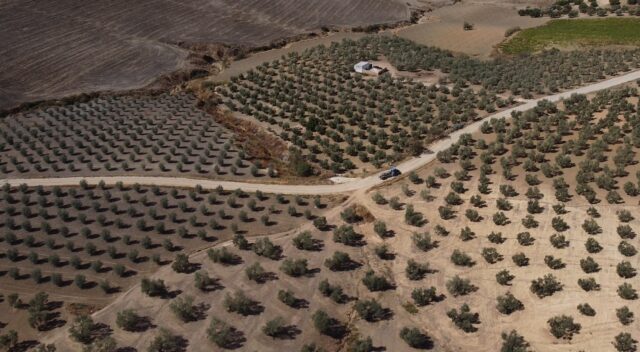
Ozone loss over Antarctica cooled the air above the South Pole, strengthening the polar vortex and shifting southern wind belts farther toward the pole. This changed rainfall patterns in parts of the Southern Hemisphere. As the ozone layer has slowly recovered since 2000, these effects have started to ease.

Hiro Mizuno, Sustainable finance leader, former CIO of Japan’s GPIF, Special Advisor to MSCI CEO, former UN Special Envoy on Innovative Finance, Planetary Guardian.
“This is one of the biggest security risks of our time. The implications of the risks unveiled by the Planetary Boundaries science go far beyond the already deadly natural disasters and loss of biodiversity that we are experiencing and hearing about on an almost daily basis. Reforming the global financial architecture is going to be central to mitigating these security risks.”
Hiro Mizuno, Sustainable finance leader, former CIO of Japan’s GPIF, Special Advisor to MSCI CEO, former UN Special Envoy on Innovative Finance, Planetary Guardian.
Key Drivers
Ozone-depleting chemicals (CFCs)
CFCs were once widely used in refrigerators, aerosols, and fire-fighting systems. They break down in the upper atmosphere, releasing chlorine that destroys ozone. Although now largely banned, these chemicals remain in the air for decades, continuing to cause some depletion.
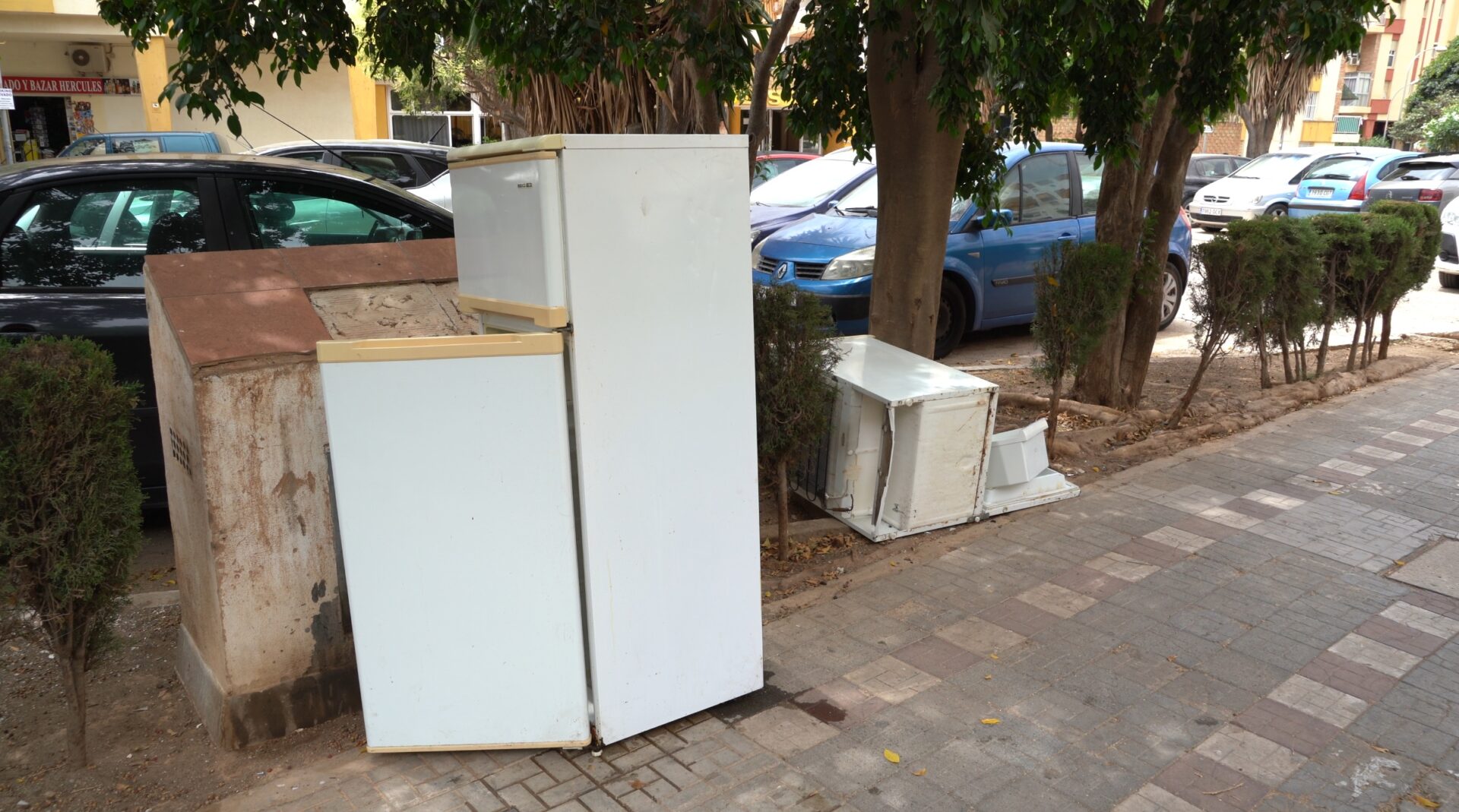
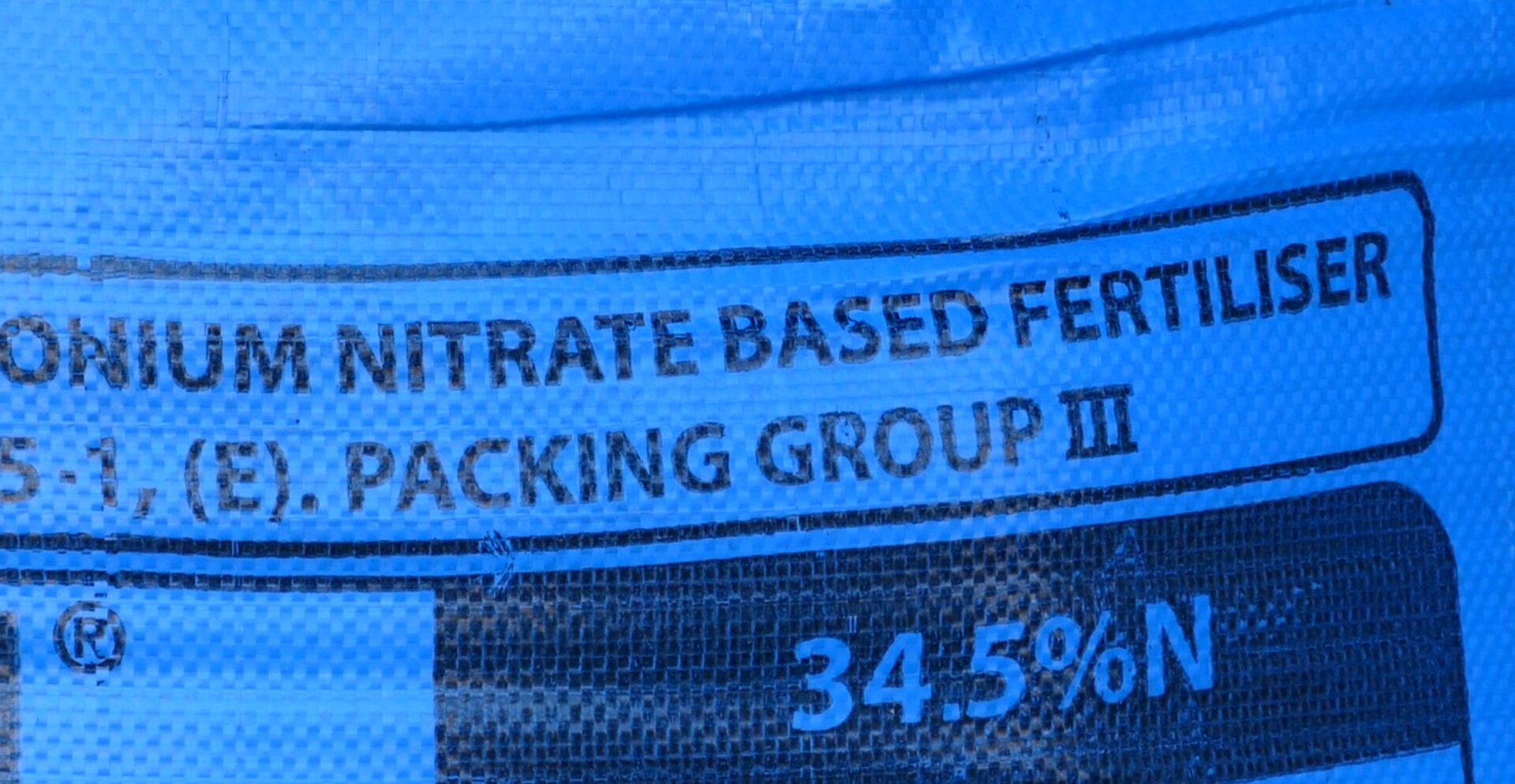
Nitrous oxide from agriculture
Today, nitrous oxide (N₂O) is the main human-made gas still depleting ozone. It comes mostly from fertilizers and animal waste on farms. Once it reaches the stratosphere, it breaks apart and reacts with ozone, reducing its concentration.
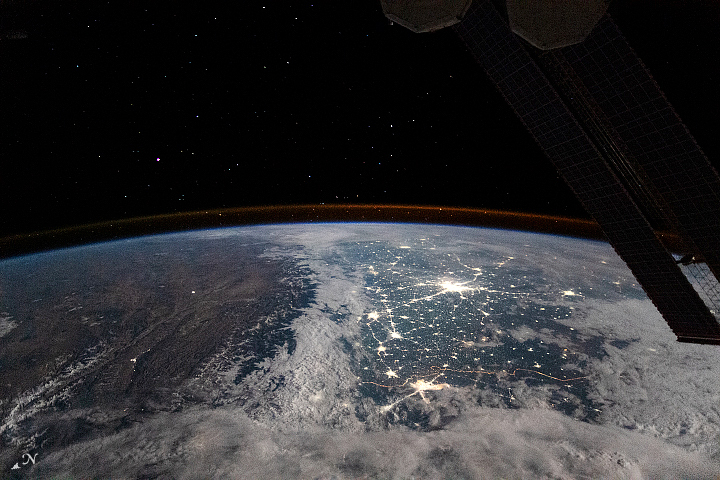
Growing space and industrial activity
Rocket launches and re-entering debris can release ozone-damaging gases high in the atmosphere. Some new industrial chemicals that replaced CFCs also have uncertain long-term effects. Monitoring these emerging sources is becoming increasingly important.
Control Variables
The Planetary Boundary for Stratospheric Ozone Depletion tracks the amount of ozone (O₃) in the upper atmosphere, where it forms a protective layer that blocks most of the Sun’s harmful ultraviolet (UV) radiation. Thanks to the Montreal Protocol, which phased out ozone-depleting chemicals like CFCs, the ozone layer has been recovering. Overall, it remains within the safe zone, but the recovery is uneven and still vulnerable. New pressures are emerging from rising nitrous oxide (N₂O) emissions and increasing space activity, both of which could slow or even reverse the gains made over the past decades.
Stratospheric Ozone Concentration
This chart displays the 11-year mean of the control variable “global mean stratospheric ozone concentration” measured in Dobson Units (DU) for the data from 1979- 2022. The red line shows the Planetary Boundary of about 277, while the green line represents the baseline of 292.
While the global stratospheric ozone layer has recovered since the mid-1990s following a significant decline, this recovery may have plateaued in recent years.
Definition
Average stratospheric ozone concentration in the extra-polar zone – the region of the Earth’s atmosphere outside the polar areas, spanning from 60°N to 60°S. While the polar ‘ozone hole’ is widely known, the impacts on humans and ecosystems are more severe when it comes to the extra-polar ozone layer. Additionally, the ozone hole phenomenon involves complex factors beyond just anthropogenic ozone-depleting substances, making extra-polar ozone a more relevant measure for a Planetary Boundary.
Unit
Dobson Unit (DU). One DU represents a layer of ozone that would be 0.01 millimeters thick under standard temperature and pressure.
Historical Range
Typical local values range from about 100 to 500 DU.
Planetary Boundary (PB)
There is no clear threshold for defining a boundary for global extra-polar stratospheric ozone. As a preliminary estimate, the PB is set as a maximum reduction of 5 % from the reference level (mean of the years 1964-1980). With the reference level estimated at 292 DU, the Planetary Boundary is set at 277.4 DU.