Land System Change
The transformation of forests, grasslands, and other natural areas through land use and other human actions.
Current State
Forests play a vital role in stabilizing the Earth’s climate, supporting biodiversity, and sustaining human well-being. Ongoing forest loss and other land system changes continue at alarming rates, driven by complex and region-specific pressures.
Agriculture is the leading direct cause of Land System Change, particularly livestock grazing and the expansion of cropland. Other significant factors include illegal logging, infrastructure expansion, weak governance, and climate change. Often, these points are interrelated and facilitate each other. In the Amazon, for example, deforestation typically starts with the extraction of illegal timber before land is finally converted into pasture.
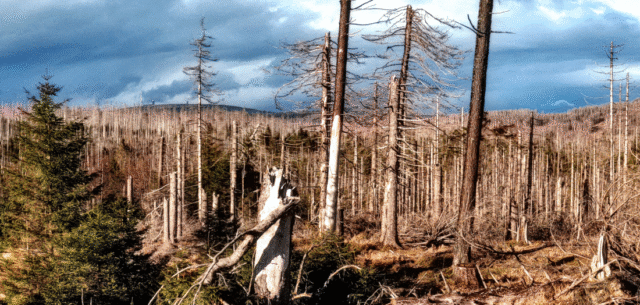
The impact of deforestation is profound. It disrupts biodiversity, increases carbon emissions, alters rainfall patterns, and weakens soil and water systems. Deforestation also affects human health, for example by increasing the risk of malaria in affected areas. Climate Change and water stress further amplify this damage through heatwaves, fires, and manifestation of pests such as outbreaks of bark beetle. If land degradation continues, our chances of stabilizing the climate, securing freshwater resources, and protecting biodiversity will be weakened. To stay within the Safe Operating Space, we must urgently protect and restore ecosystems, keeping the land resilient, and ensuring that the Earth remains habitable for generations to come.
Global map of recent forest cover changes
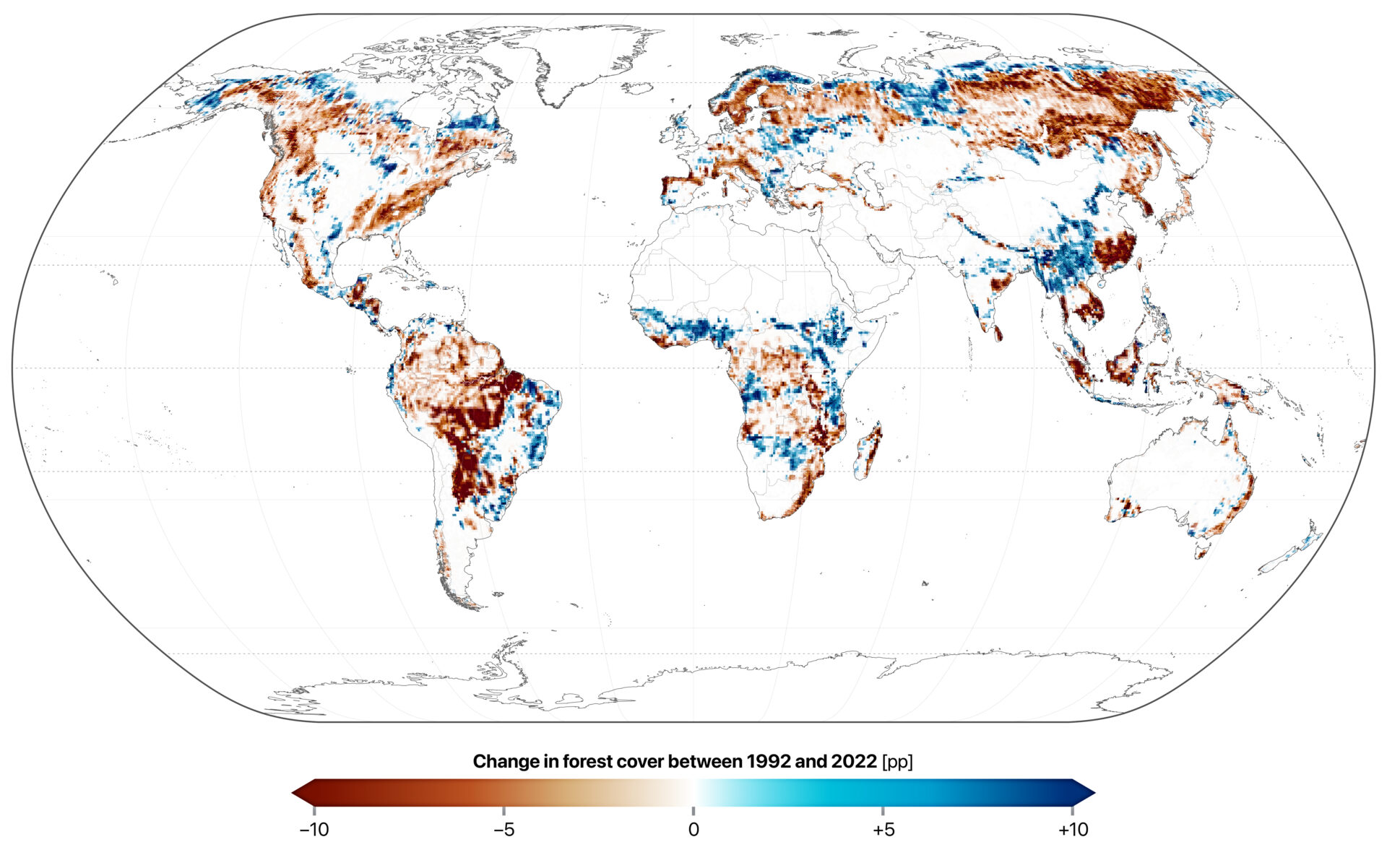
The colors indicate absolute changes in the percentage of forest cover between 1992 and 2022, with shades of blue representing an increase in forest cover and shades of red representing a decrease in forest cover (e.g. a change from 60% to 50% forest cover would be indicated by a value of -10%). Areas with no forest cover in both 1992 and 2022, or with no change in forest cover, are shown in white. Data from Copernicus (2024).
Patterns of forest loss and gain have been heterogeneous, with prevailing net losses at the biome scale. Contiguous pristine forests in the tropics and boreal zones, in particular, have suffered losses of primary forest, while temperate forests, often reflecting managed forestry, have mostly suffered from climate change impacts.
Impacts
Forests and other land ecosystems are the foundation of life on land. They store vast amounts of carbon, keep the climate and water cycles in balance, and provide habitat for countless species. When forests are cleared or degraded, these natural systems lose their ability to regulate the planet’s climate, purify water, and hold soil in place. Because land systems connect so closely with other parts of Earth’s environment—like the atmosphere, water, and living organisms—changes in land use can ripple through the entire Earth system.
Disrupted rainfall and water cycles
Trees release moisture into the air and help guide where rain falls. Losing forests can disturb local and regional rainfall patterns, dry out landscapes, and cause more floods and erosion.

Soil erosion and land degradation
Tree roots hold the soil together and recycle nutrients that plants need to grow. Without this natural protection, soils can wash away, lose fertility, and take decades to recover.

Worsening climate change
Forests act like giant carbon sponges, soaking up and storing carbon dioxide from the air. When they are cut down, that carbon is released back into the atmosphere, adding to global warming and making temperature extremes worse.
Threats to health and livelihoods
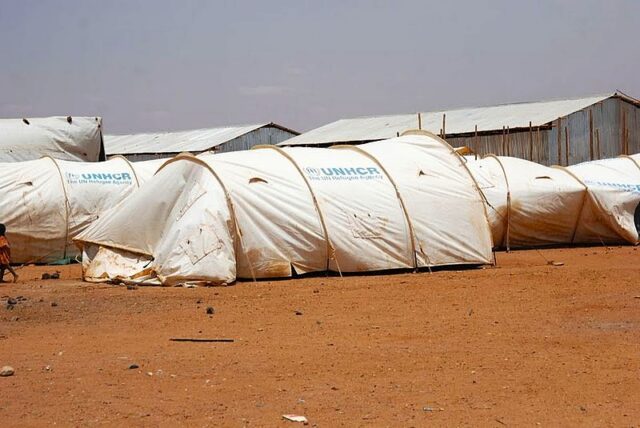
Healthy forests support human well-being by providing clean water, food, and stable weather. When they disappear, people can face new risks—from reduced crop yields to higher disease rates and loss of livelihoods.

Farwiza Farhan, Indonesian conservation leader, Founder of HAkA protecting the Leuser Ecosystem, 2024 Ramon Magsaysay Awardee, Planetary Guardian.
“Communities in Borneo and across Southeast Asia are already experiencing the fallout from deforestation: fires, floods, and the erosion of livelihoods. The Three Basins One Lifeline is a call to put people and forests at the centre of our economic decisions because, without healthy forests, there can be no healthy societies.”
Farwiza Farhan, Indonesian conservation leader, Founder of HAkA protecting the Leuser Ecosystem, 2024 Ramon Magsaysay Awardee, Planetary Guardian.
Key Drivers
Agriculture and livestock expansion
Clearing land for crops and grazing is the main cause of deforestation worldwide. Together, farming and ranching account for nearly 90% of recent forest loss. Cropland expansion dominates in Africa and Southeast Asia, while cattle grazing is more common in South America and Oceania. In many cases, forest clearing begins with selective logging before land is converted for agriculture.

Logging and timber production
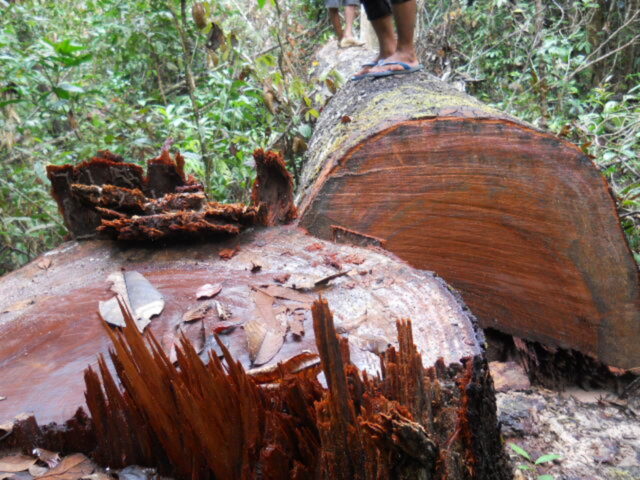
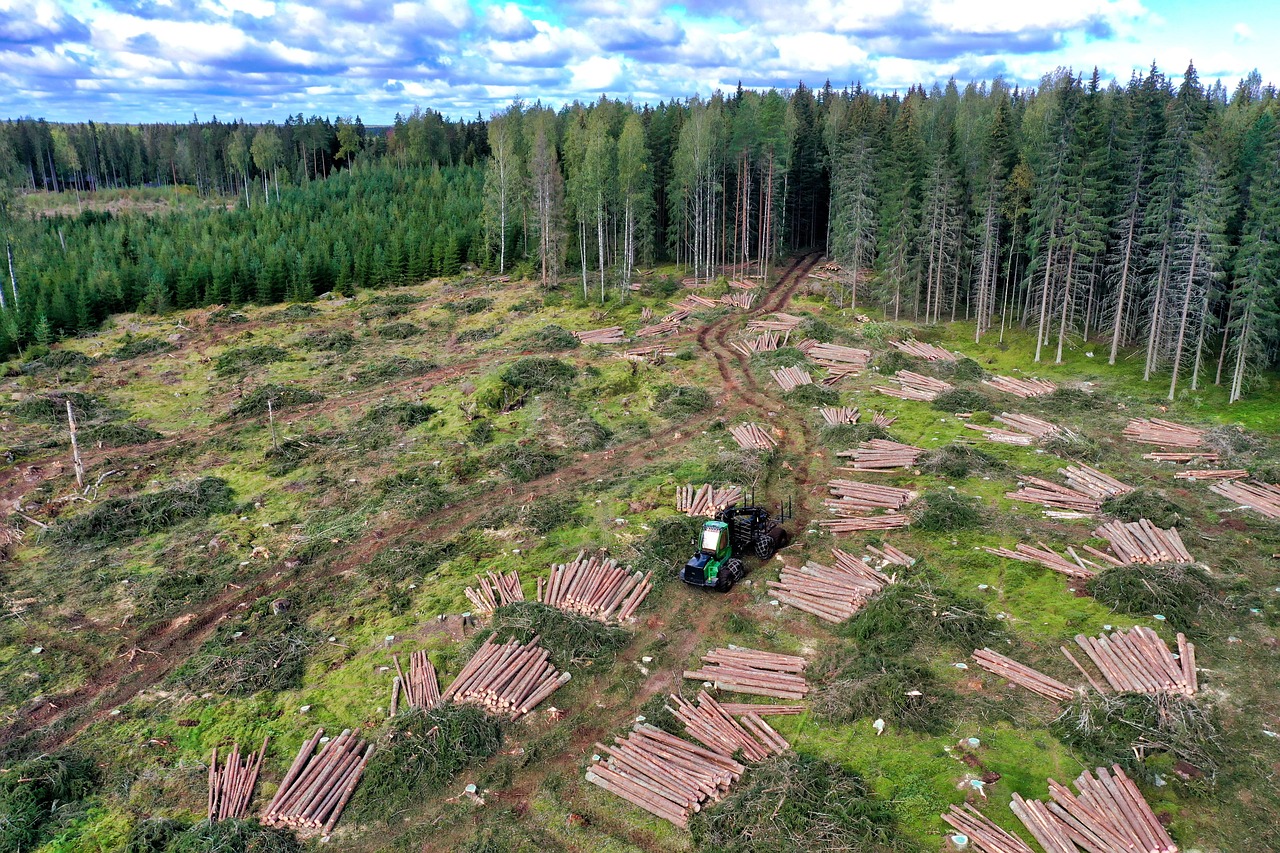
Forests are widely harvested for wood, paper, and fuel. Logging — both legal and illegal — removes high-value trees and leaves ecosystems fragmented and vulnerable to further clearing. In many regions, the timber and pulp industries remain major sources of forest degradation.
Infrastructure and industrial development
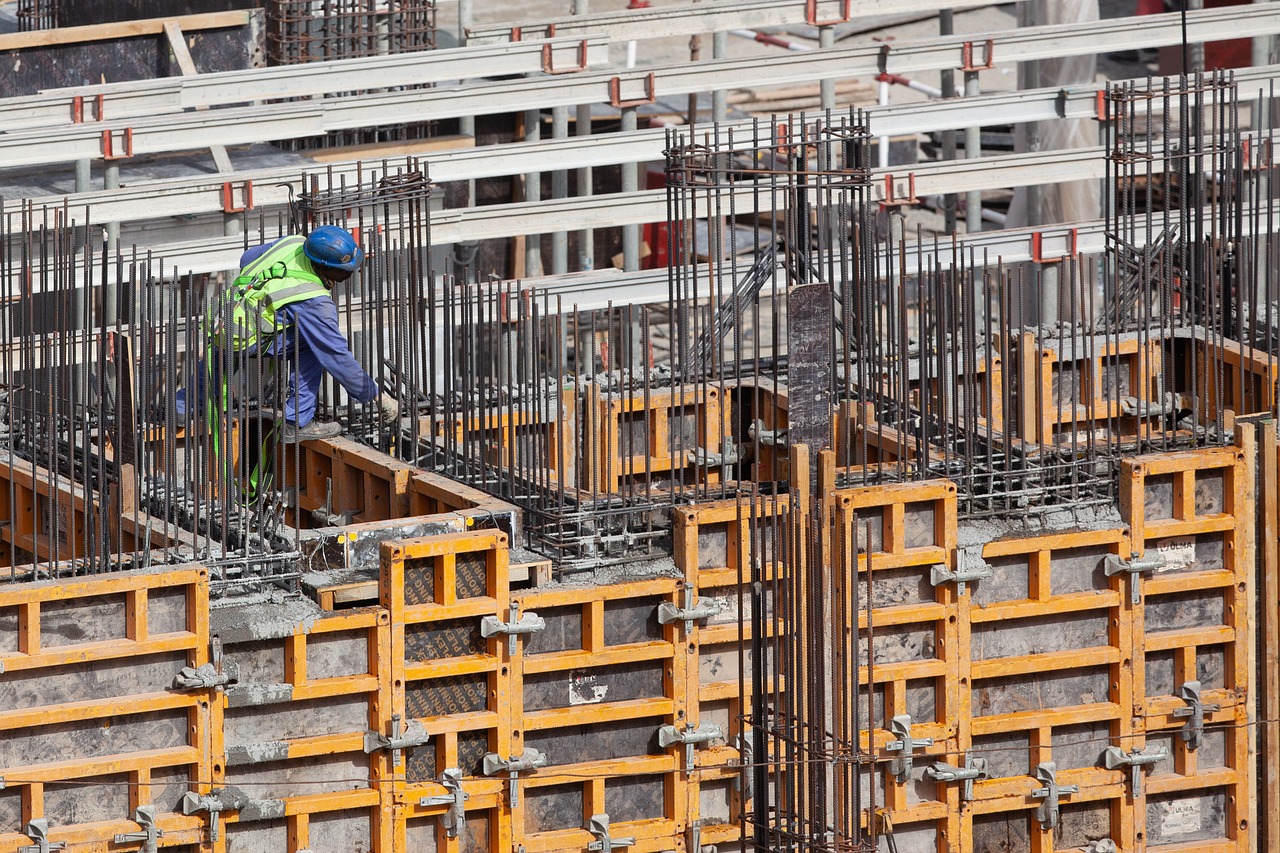
New roads, mines, and urban growth open up previously remote areas, making forests more accessible to agriculture and extraction. These developments often create long-lasting impacts by breaking up habitats and changing how land and water are used.
Climate-driven forest stress
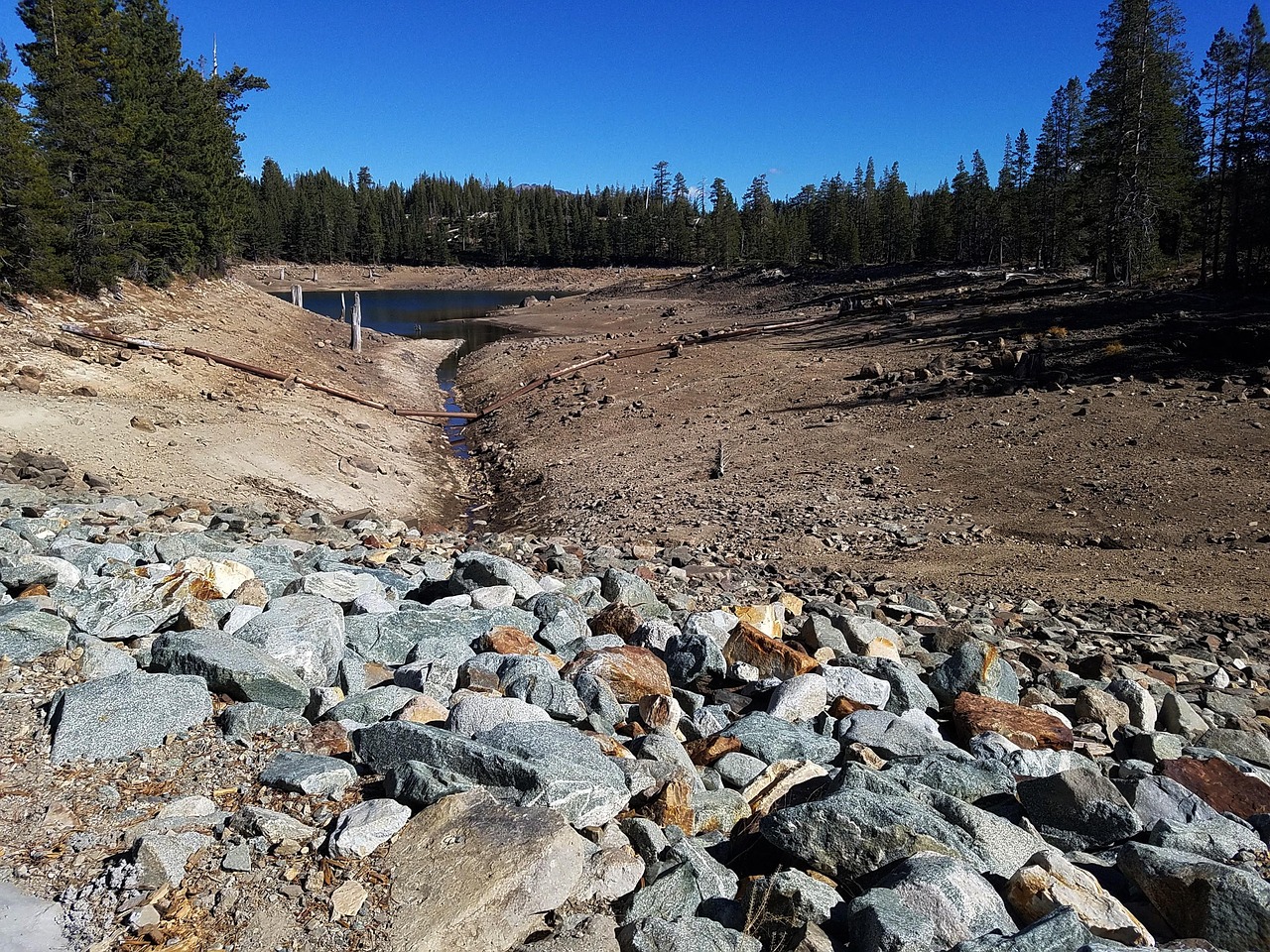
Climate change is increasingly contributing to forest loss. Higher temperatures, droughts, and shifting rainfall patterns weaken trees and make them more prone to fires, pests, and disease. In some regions, these indirect effects are now major drivers of forest decline alongside direct human land use.
Control Variables
The Planetary Boundary for Land-System Change focuses on the balance between natural ecosystems and land converted for human use, especially forests. Forests are vital for storing carbon, regulating water and climate, and supporting biodiversity. The boundary is tracked mainly through the share of original forest cover remaining in different biomes. Large-scale clearing and degradation have pushed many regions beyond safe limits, particularly in the tropics, where forests have been most heavily converted for agriculture, grazing, and resource extraction. Although some areas show signs of recovery through reforestation and regrowth, the overall global trend remains one of continued loss and fragmentation.
Forest Area
Annual mean forest cover, expressed as a percentage of potential forest cover, globally and for three different biomes (temperate, boreal and tropical) between 1992 and 2022. Red lines show the Planetary Boundaries of 75%, 50%, 85% and 85% for global, temperate, boreal and tropical forests, respectively, while the light green line always represents the baseline of 100% potential forest cover. Data from Copernicus (2024) and Ramankutty & Foley (1999).
As a result of land use and, increasingly, climate change, global and regional forests have been steadily declining over the last few decades across all major forest biomes. Most regions are already significantly below their biome-scale boundaries, while some areas, such as temperate and tropical Americas, have just recently surpassed them.
Definition
While different land types have distinct functions within the Earth system, forests are of particular importance to the climate system, due to their temperature- and moisture-regulating interactions with the atmosphere and their role in carbon and water cycling. ’Remaining forest area’ is the main component responsible for maintaining major global ecological functions, and is thus used as the control variable for this Planetary Boundary. It is expressed as a percentage of the forest cover that would exist in the absence of human land-use changes (‘potential natural forest cover‘). This is determined for the boreal, temperate, and tropical forest biomes (as contiguous area per continent) and then aggregated globally.
Unit
Percentage (%) of potential forest cover.
Historical Range
The value of relative forest cover ranges from 100% (all forest relative to potential forest cover is remaining) to 0% (no forest relative to potential forest cover is remaining).
Planetary Boundary (PB)
The global Planetary Boundary threshold for Land System Change is set at 78% of the potential forest cover. Changed from the previous 75%, it is now calculated as the area-weighted mean of the contiguous biome thresholds: 85% for boreal and tropical forests (both 19.1 Mkm2), and 50% for temperate forests (9.9 Mkm2). These thresholds are based on studies indicating that tropical and boreal forests exert a stronger influence on regional and remote climatic conditions than temperate forests. The areas differ from the total areas in or because only contiguous forest cover is taken into account in the PB framework.