Solutions
To return to a safe operating space, where the planet’s resilience, stability, and life-support systems are not at risk, we need to see the big picture: how the planetary boundaries interact, and how we can assess whether collective action is moving us towards or away from the Safe Operating Space.
The Planetary Health Check allows governments, business and the wider public to track the state of the planetary boundaries and assess whether humanity is moving towards or away from the Safe Operating Space. While there is no single fix for all boundaries, multiple groups are working on evidence based solutions around the planet.
Planetary-boundary solutions are actions, policies and transformations that reduce pressures on one or more planetary boundaries and help move humanity towards the Safe Operating Space, while avoiding unacceptable trade-offs across boundaries. Translating global planetary-boundary science into actionable targets at national, regional and local scales requires additional assessment of local conditions, responsibilities, capacities and trade-offs.
The following external solutions platforms provide illustrative examples of actions and approaches that can help reduce pressures on one or more planetary boundaries. They should therefore be considered as a possible, non-exhaustive menu rather than a definitive catalogue of solutions.
If you feel that an important solution is missing, please write to pbscience@pik-potsdam.de, providing the description of the solution and at least one vetted source on the topic. Please note that, as a non-profit research institute, our focus lies primarily on non-proprietary, non-commercial solutions.
Solutions at a glance
A non-exhaustive menu of evidence-based solutions. Each entry shows who can put it into practice and which Planetary Boundaries it helps ease. Open a solution to reach the vetted sources behind it.
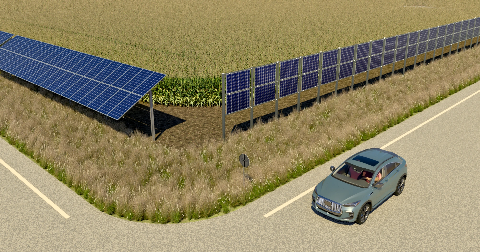
Fossil fuel phase-out & clean energy grid
Replacing fossil generation with renewables at grid scale, backed by policy packages with proven emission reductions.
Primary impact driver
Planetary Boundaries helped
- Change in Biosphere Integrity OldDanger Zone
- Climate Change OldDanger Zone
Sources
Conservation, regenerative & precision agriculture
No soil disturbance, permanent soil cover and diversified crop rotations on working farmland.
Primary impact driver
Planetary Boundaries helped
- Land System Change OldRisk Zone
- Modification of Biogeochemical Flows OldDanger Zone
- Change in Biosphere Integrity OldDanger Zone
Sources
- Global SustainabilityReview: how conservation agriculture helps return to within Planetary Boundaries.www.cambridge.org
- IPBESIntergovernmental science-policy platform on biodiversity and ecosystem services.www.ipbes.net
- USDARegenerative Farming and Economics www.ars.usda.gov
- UNEP Agroecology - rethinking food systemswww.unep.org
- USDA The Benefits of Precision Agriculture
www.ars.usda.gov
Planetary health diet
Shifting everyday diets and cutting food waste — the change most households can start with.
Primary impact driver
Planetary Boundaries helped
- Land System Change OldRisk Zone
- Freshwater Change OldRisk Zone
- Modification of Biogeochemical Flows OldDanger Zone
- Climate Change OldDanger Zone
Sources
Phasing out ozone-depleting substances
The Montreal Protocol of 1987 — proof that a treaty can move a boundary back into the Safe Operating Space.
Primary impact driver
Planetary Boundaries helped
- Stratospheric Ozone Depletion OldSafe zone
Sources
- UNEP Ozone SecretariatThe Montreal Protocol on substances that deplete the ozone layer.ozone.unep.org
- European Environment Agency Reducing Ozone depleting substances www.eea.europa.eu
- The Stockholm Convention on Persistent Organic Pollutants The convention to reduce Persistent Organic Pollutants www.pops.int
Restricting persistent organic pollutants
Global controls on chemicals that persist in the environment and accumulate in people and wildlife.
Primary impact driver
Planetary Boundaries helped
- Introduction of Novel Entities OldDanger Zone
Sources
Independent evaluation of existing policies
Independent Evaluation of existing policies confirms or rejects effectiveness
Primary impact driver
Planetary Boundaries helped
- Climate Change OldDanger Zone
- Introduction of Novel Entities OldDanger Zone
- Change in Biosphere Integrity OldDanger Zone
- Freshwater Change OldRisk Zone
- Land System Change OldRisk Zone
- Modification of Biogeochemical Flows OldDanger Zone
- Ocean Acidification OldRisk Zone
- Stratospheric Ozone Depletion OldSafe zone
Sources
Land Use Management
Effective Land Use Management has many benefits
Primary impact driver
Planetary Boundaries helped
- Climate Change OldDanger Zone
- Freshwater Change OldRisk Zone
- Change in Biosphere Integrity OldDanger Zone
- Land System Change OldRisk Zone
Sources
Mixed crops/Polyculture farming
Increases resilence and carbon sinks
Primary impact driver
Planetary Boundaries helped
- Climate Change OldDanger Zone
- Change in Biosphere Integrity OldDanger Zone
- Land System Change OldRisk Zone
Sources
Insulation of buildings
Buidling insulation increases energy efficiency
Primary impact driver
Planetary Boundaries helped
- Climate Change OldDanger Zone
Sources
Limiting fertiliser waste
Overuse of fertiliser causes significant issues
Primary impact driver
Planetary Boundaries helped
- Freshwater Change OldRisk Zone
- Modification of Biogeochemical Flows OldDanger Zone
- Climate Change OldDanger Zone
Sources
Water efficiency and second use
Water savings via sensible use
Primary impact driver
Planetary Boundaries helped
- Climate Change OldDanger Zone
- Freshwater Change OldRisk Zone
- Modification of Biogeochemical Flows OldDanger Zone
- Land System Change OldRisk Zone
Sources
Soil cover
Soil cover can help store carbon, protect biodiversity and increase resilience
Primary impact driver
Planetary Boundaries helped
- Climate Change OldDanger Zone
- Change in Biosphere Integrity OldDanger Zone
- Freshwater Change OldRisk Zone
- Land System Change OldRisk Zone
Sources
Greening of cities
Greening cities and resilience
Primary impact driver
Planetary Boundaries helped
- Climate Change OldDanger Zone
- Introduction of Novel Entities OldDanger Zone
Sources
- CIWEM Why greening our cities is the key to climate resiliencewww.ciwem.org
- Local Governments for Sustainability Local Governments for Sustainability iclei.org
- C40 Cities Cities and Climate www.c40.org
- Global Covenant of Mayors for climate and energy Global Covenant of Mayors for climate and energy www.globalcovenantofmayors.org
Biodiversity protection
Biodiversity protection supports planetary boundaries
Primary impact driver
Planetary Boundaries helped
- Climate Change OldDanger Zone
- Change in Biosphere Integrity OldDanger Zone
- Freshwater Change OldRisk Zone
- Land System Change OldRisk Zone
- Modification of Biogeochemical Flows OldDanger Zone
Sources
- The Intergovernmental Science-Policy Platform on Biodiversity and Ecosystem Services (IPBES) Assessing biodiversity and ecosystem serviceswww.ipbes.net
- Convention on Biological Diversity A convention to protect biodiversitywww.cbd.int
- Global Environment Facility Global Environment Facility www.thegef.org
Labelling of products and activities with their planetary boundary impacts
Labelling of products and activities allows consumers to make informed decisions
Primary impact driver
Planetary Boundaries helped
- Climate Change OldDanger Zone
- Introduction of Novel Entities OldDanger Zone
- Change in Biosphere Integrity OldDanger Zone
- Freshwater Change OldRisk Zone
- Land System Change OldRisk Zone
- Modification of Biogeochemical Flows OldDanger Zone
- Ocean Acidification OldRisk Zone
- Stratospheric Ozone Depletion OldSafe zone
Sources
Electrification of transport
Electrification can improve efficiency while reducing air pollution and emissions
Primary impact driver
Planetary Boundaries helped
- Climate Change OldDanger Zone
Sources
Alternative harmless refrigerants
Persistent or novel entity refrigerants can cause long term damage to the ozone layer and impact climate as greenhouse gases
Primary impact driver
Planetary Boundaries helped
- Climate Change OldDanger Zone
- Introduction of Novel Entities OldDanger Zone
Sources
Reduce food waste and loss
Food waste and loss is a significant contributor to planetary boundary transgression
Primary impact driver
Planetary Boundaries helped
- Climate Change OldDanger Zone
- Change in Biosphere Integrity OldDanger Zone
- Land System Change OldRisk Zone
Sources
Forest protection and rewilding
Helping Nature's ability to rebound and protecting key Earth ecosystems
Primary impact driver
Planetary Boundaries helped
- Climate Change OldDanger Zone
- Change in Biosphere Integrity OldDanger Zone
- Freshwater Change OldRisk Zone
- Land System Change OldRisk Zone
Sources
Integration of the Planetary Boundaries Framework into the public and private sector
By integrating the Planetary Boundaries Framework into everyday life, policy and business a move back towards a safe operating space can be reached.
Primary impact driver
Planetary Boundaries helped
- Climate Change OldDanger Zone
- Introduction of Novel Entities OldDanger Zone
- Change in Biosphere Integrity OldDanger Zone
- Freshwater Change OldRisk Zone
- Land System Change OldRisk Zone
- Modification of Biogeochemical Flows OldDanger Zone
- Ocean Acidification OldRisk Zone
- Stratospheric Ozone Depletion OldSafe zone
Sources
- FinBioCorporate Reporting on Planetary Boundaries finbio.org
- World Economic Forum10 emerging technology solutions for planetary health, 2025.reports.weforum.org
- Centre for Sustainability, Environment and Health, Dutch National Institute for Public Health and the Environment (RIVM)Operationalisation of planetary boundaries in national and regional policieslink.springer.com
- Netherlands Environment AgencyPlanetary Boundaries and Sustainable development goalswww.pbl.nl
- Doughnut economicsCities and regions guide www.c40knowledgehub.org
Sustainability practices in the workplace
Employee-led change programmes and emerging technologies that cut a company's footprint.
Primary impact driver
Planetary Boundaries helped
- Climate Change OldDanger Zone
- Introduction of Novel Entities OldDanger Zone
Sources


Johan Rockström, Director of the Potsdam Institute for Climate Impact Research
“We know that solving the planet crisis is not utopia. It's not fantasy. We have the solutions for a secure, stable future for humanity."
Johan Rockström, Director of the Potsdam Institute for Climate Impact Research
Learn More
A Rough Guide to Planetary Boundaries
Stay tuned for more updates!

Sea level rise, is it worse than you think?
Stay tuned for more updates!
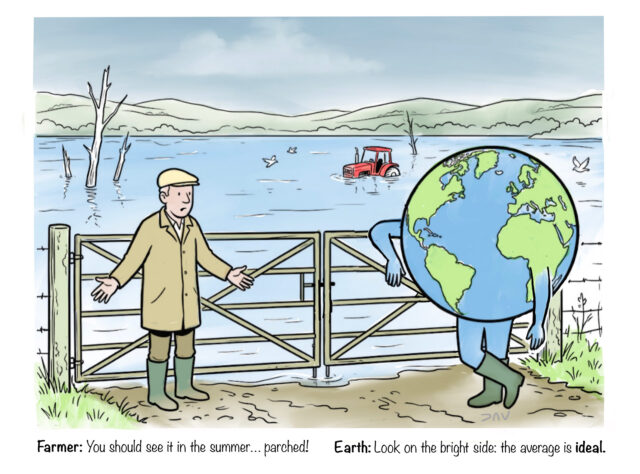
Images tell a thousand words: Real Planet Earth meets the Planetary Boundaries.
Stay tuned for more updates!
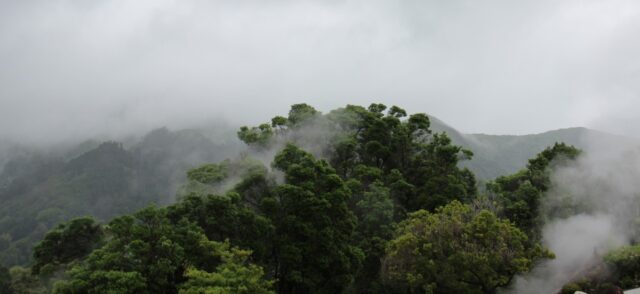
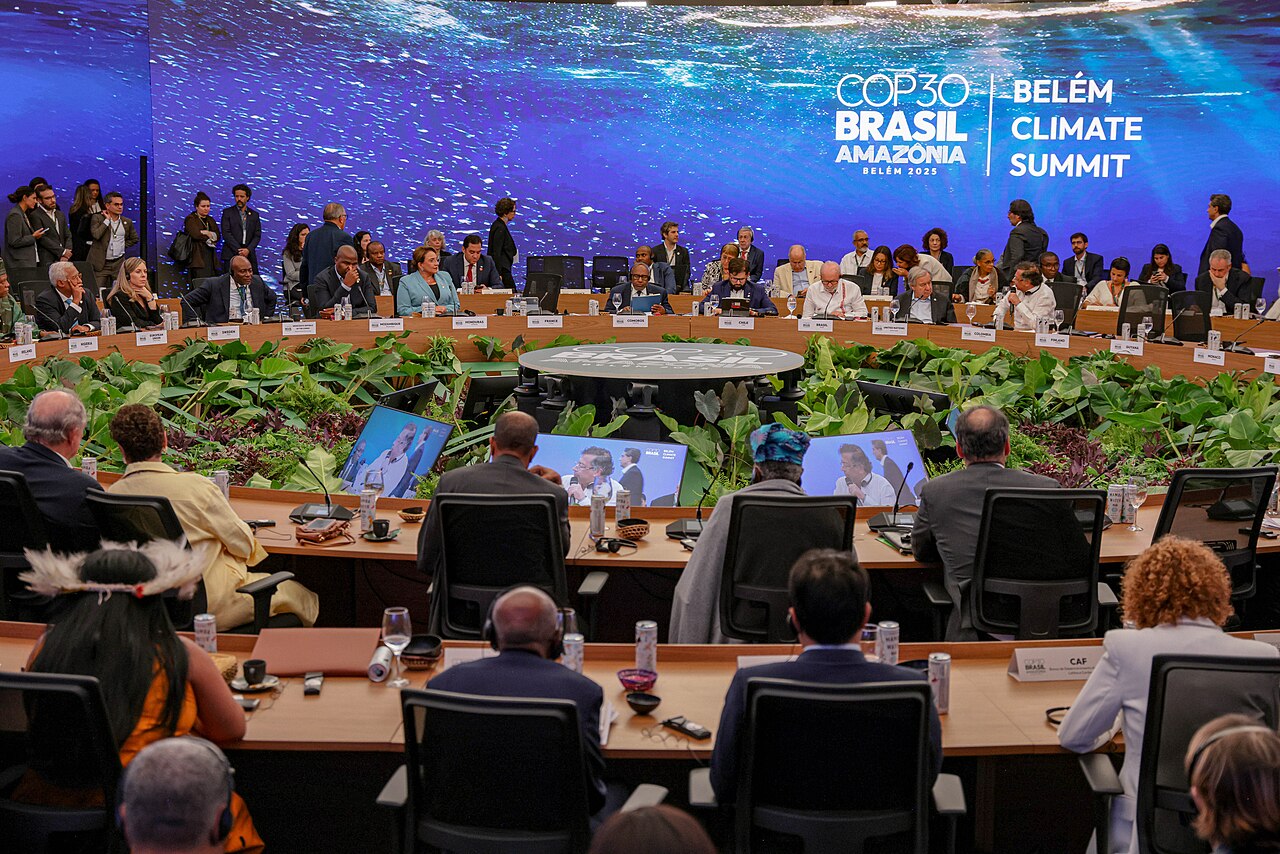
Planetary Science Pavilion at COP30
Highlighting the Planetary Health Check 2025 as part of the Planetary Science Pavilion at COP30.

New Planetary Health Check Website launched!
New updates coming soon!

Tipping Points
Fragile regional systems with global consequences.
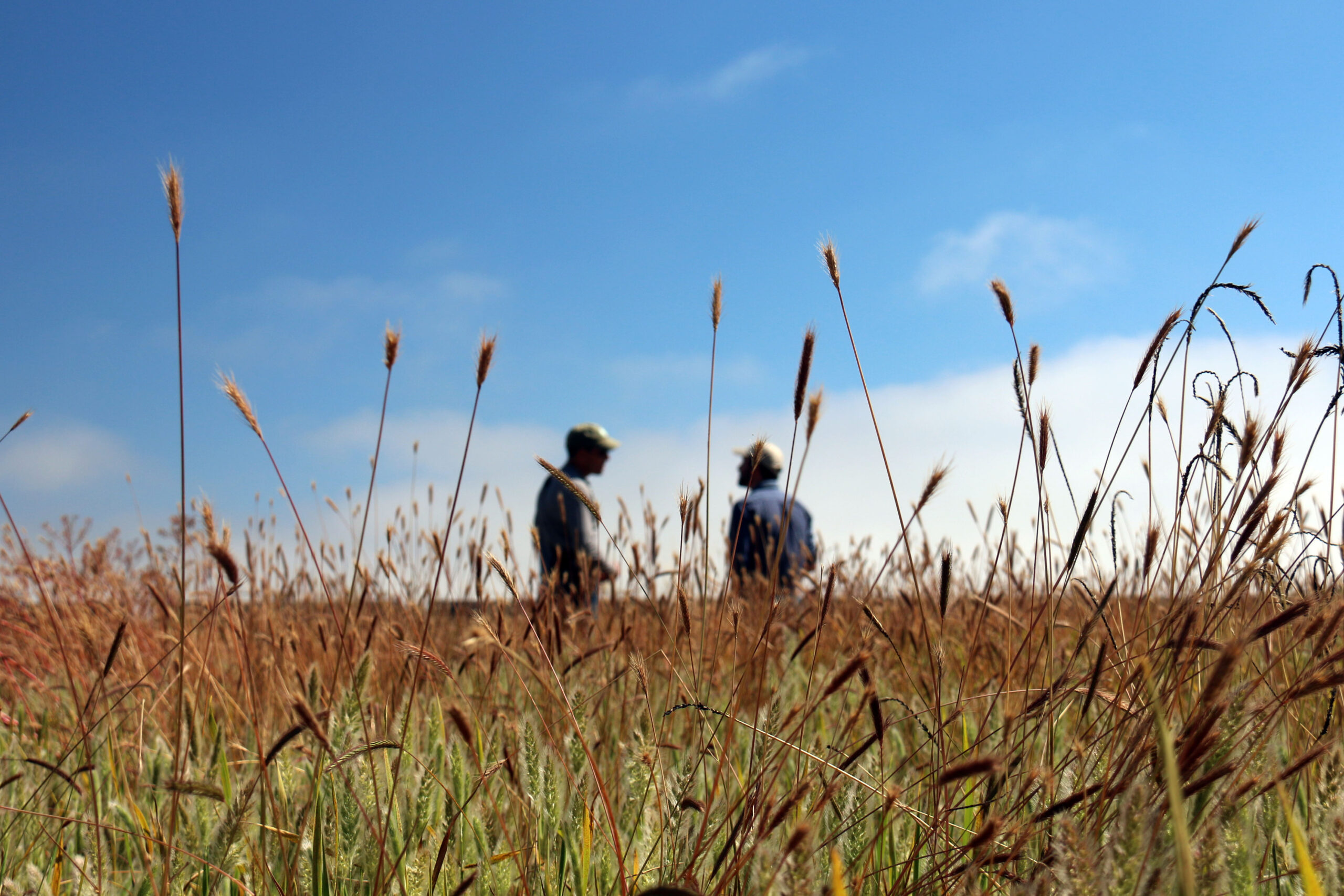
New EAT-Lancet report emphasizes challenges, but also pathways forward
Our current food systems breach the planetary boundaries, but transformation can deliver healthier lives and food for all.
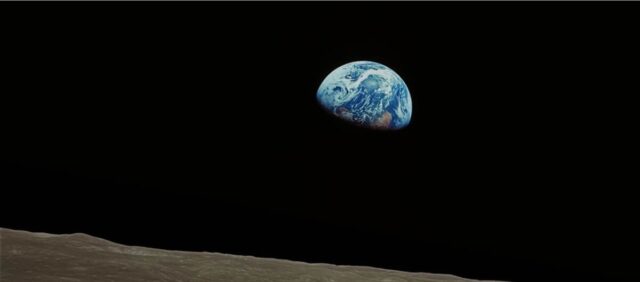
A Safe Operating Space for Humanity
Respecting Planetary Boundaries to maintain our Planet's vital functions.
Get in Touch
Amid the planetary crisis, the Planetary Boundaries Initiative (PBI) brings together diverse perspectives from scientists, policymakers, and civil society to develop collaborative solutions for environmental risks. The PBI's Planetary Boundaries Analyzer (PBAnalyzer) integrates multi-stakeholder insights with AI to deliver tailored decision-support solutions for different communities. This multi-perspective approach ensures solutions are both scientifically rigorous and practically relevant across institutions and disciplines. The PBI is open for collaborations.
Read MoreAre you interested in collaborating, or do you have questions or inquiries? We would love to hear from you.